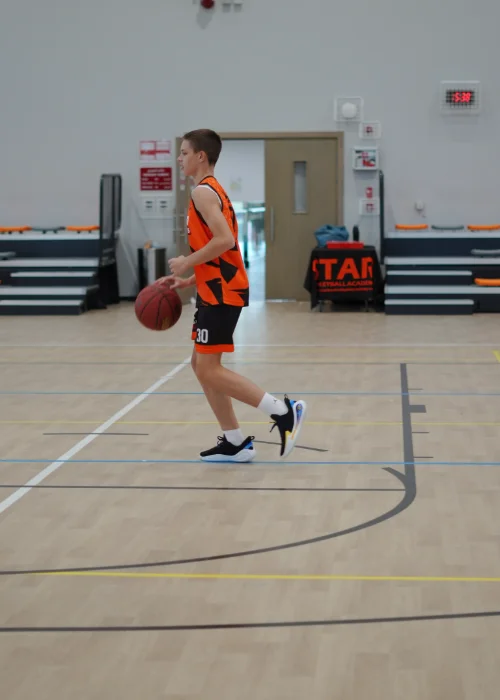
Every Child Plays Better with a Team Behind Them
Basketball may begin with an individual skill—a first dribble, pass or shot—but the game quickly becomes shared. Five players attack together, five defend together and every movement affects someone else.

For children, joining a basketball team can provide more than organised games. It creates a place to learn names, routines and responsibilities. Players experience the satisfaction of contributing to something that cannot be achieved alone.
Parents searching for a kids’ basketball team in Dubai or Sharjah often want skill development and a positive social environment. The strongest programmes understand that the two support each other. Players who trust teammates communicate more clearly, move with greater purpose and recover from mistakes more constructively.
At Star Basketball Academy, boys and girls aged 4 to 18 can develop through age-group training, team play and real game experiences across Dubai and Sharjah.
Finding a team is not only about being placed on a roster. It is about discovering a role, a community and a reason to keep improving.
What Belonging Looks Like in Youth Basketball
Belonging means a child feels recognised, included and able to contribute.
It does not require every teammate to become a best friend. It means the player knows how to enter the group, understands expectations and believes mistakes will not remove the right to participate.
Coaches help establish belonging by using names, welcoming newcomers and distributing attention. Players learn to communicate respectfully and include teammates in activities.
Shared routines also matter. Warm-ups, team huddles and training challenges create familiarity.
A child who belongs is more likely to ask questions, attempt difficult skills and remain engaged when a session becomes challenging.
Why Basketball Is a Powerful Team Environment
Basketball requires constant cooperation in a relatively small space.
Players pass, screen, cut and cover for one another. Possession changes quickly, so everyone must switch from attack to defence.
No player can perform every role alone. Even a strong scorer depends on spacing, passes and defensive stops from teammates.
This interdependence teaches children that contribution takes many forms. A useful cut may create someone else’s shot. A defensive rotation can prevent an easy basket.
Coaches should make these less visible actions visible. When children understand how they help, belonging becomes connected to basketball understanding.
Friendship Develops Through Shared Experience
Youth sport brings children together around a common task.
They practise skills in pairs, solve team problems and experience close games. Repeated interaction gives friendships time to grow naturally.
For families who have recently moved to Dubai or Sharjah, an academy can provide social contact beyond school. Basketball creates a shared language across different backgrounds.
Coaches should not force friendship or assume every group is automatically welcoming. Established players may need guidance to include newcomers.
The aim is a respectful environment in which connection can develop through participation.
Communication Makes the Team Work
Players exchange information constantly.
They call for the ball, identify defensive threats and encourage teammates. Clear communication can prevent confusion and improve decisions.
Some children speak naturally; others need gradual opportunities. A coach may give a quiet player a simple communication target, such as calling a teammate’s name before passing.
Non-verbal communication matters too. Eye contact, hand targets and movement show intention.
Basketball teaches children to make messages useful. Blame does not help the next possession. Information and encouragement do.
Teamwork Is More Than Passing the Ball
Passing is an obvious form of teamwork, but contribution continues without possession.
Players create space, screen and relocate. They sprint back on defence, help and rebound.
Teamwork also includes preparation and attitude. Arriving ready, listening and supporting a teammate affect the group.
A player sometimes sacrifices a preferred role because the team needs something different. Coaches should explain decisions in age-appropriate ways.
Learning to balance individual ambition with collective needs is one of basketball’s most valuable challenges.
Individual Development Still Matters Inside a Team
Belonging should not erase personal goals.
Every player has technical and decision-making needs. One child may work on ball control; another on shooting balance or defensive communication.
Group training gives these targets context. A better pass helps a teammate. Improved footwork creates stronger defence.
Coaches can provide individual feedback while maintaining a shared session objective.
The relationship works in both directions: individual development strengthens the team, and team situations reveal what the individual needs next.
Finding a Role Without Creating Early Labels
Children often identify themselves as a scorer, defender or ball handler. Roles can build confidence, but permanent labels may limit development.
A tall young player should still handle and pass. A smaller player should learn rebounding position and defence.
Coaches can rotate responsibilities at appropriate stages. This broadens understanding and empathy.
As players mature, roles may become more specific. Versatile foundations remain valuable.
The message should be: this is how you can help today, not this is the only player you can become.
How Teams Build Confidence
Confidence grows when children feel supported and capable.
A teammate’s encouragement can help a player attempt a new skill. A coach can recognise a useful action that did not appear on the score sheet.
Team environments provide repeated evidence that the child has value. A defensive stop, clear pass or supportive message matters.
Confidence does not mean never feeling nervous. It means participating despite uncertainty.
When the group responds constructively to mistakes, players become more willing to take responsibility.
Handling Mistakes as a Team
Every basketball team turns the ball over, misses shots and loses defensive assignments.
Blame weakens communication and creates fear. Ignoring mistakes prevents learning.
Coaches can teach a better response: identify what happened, communicate and prepare for the next possession.
Players learn to support a teammate without pretending the error did not matter.
Parents reinforce the culture by avoiding criticism of other children. One mistake should never define a player’s contribution.
Competition Can Strengthen Belonging
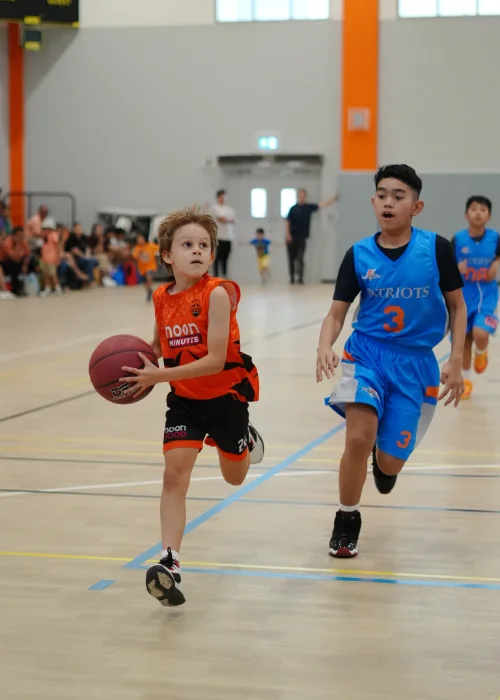
Real games give the team a shared challenge.
Players prepare, manage momentum and respond to opponents. A difficult result can reveal character and deepen trust.
Competition should remain age-appropriate. A win-at-all-costs culture may divide teammates and make playing time feel like a judgement of personal worth.
Coaches can demand effort while evaluating more than the score. Team communication, decisions and response matter.
The purpose is not to remove ambition. It is to direct ambition towards collective improvement.
The Importance of Playing Time and Meaningful Involvement
Children need opportunities to apply training.
Playing time decisions depend on programme level, competition and current policies. Families should understand expectations before joining.
In development environments, coaches should consider how each child receives meaningful game experience. A player who rarely participates has limited opportunity to learn under pressure.
Meaningful involvement also exists during training. Small-sided games increase touches and decisions.
Parents should ask how the programme balances team goals and individual development rather than assuming every context operates identically.
Welcoming Beginners into an Established Group
Joining a team can feel intimidating.
Coaches can pair a newcomer with a supportive teammate, explain routines and create early achievable tasks. Existing players can learn to introduce themselves and share the ball.
The beginner should not be expected to understand every rule immediately.
Appropriate grouping matters. A child needs enough challenge to learn and enough success to remain involved.
A positive first experience can turn uncertainty into a desire to return.
How Older Players Learn Leadership
Leadership is not limited to the highest scorer or loudest personality.
Players can lead through preparation, communication and response to difficulty. They can welcome younger or newer teammates.
Coaches may give older athletes responsibilities, such as guiding a warm-up or discussing team standards.
Leadership should serve the group rather than create status. A leader helps teammates perform.
These habits can influence confidence beyond basketball, although no programme should guarantee a specific personal transformation.
The Coach Shapes Team Culture
Children watch how the coach reacts.
If the coach blames players or values only scoring, teammates may copy that behaviour. If the coach recognises communication, defence and improvement, the group learns a broader definition of contribution.
Clear standards should cover respect, effort and inclusion. Consequences need to be calm and consistent.
The coach also manages competitive roles and feedback. Honest communication builds trust even when a player is disappointed.
Qualified coaching is not only technical knowledge. It is the ability to lead a learning group responsibly.
The Parent’s Role in Team Belonging
Parents influence culture from the side.
Encourage the group, not only your child. Avoid tactical instructions and criticism of teammates, officials or coaches.
After games, ask about contribution and enjoyment. Do not compare points or minutes with another player.
Support commitments by arriving prepared and communicating absences through the correct process.
If a concern arises, discuss it privately at an appropriate time. Children should not be placed in the middle of adult conflict.
Finding the Right Team for Your Child
The best team is not automatically the one with the strongest results.
Consider age, experience, coaching culture and the level of challenge. A child should be able to participate and develop.
During a trial, observe how players interact. Are new children welcomed? Does the coach provide useful feedback? Do stronger players share responsibility?
Ask how groups and teams are formed, what competition exists and what commitment is expected.
Confirm current Dubai or Sharjah venues and schedules directly.
Questions to Ask Before Joining
Families can ask:
- Which training group suits my child?
- How do players progress into teams?
- What games or competitions currently exist?
- How does the coach support a newcomer?
- What team behaviours are expected?
- How is individual feedback provided?
- What is the playing-time approach for this programme?
- What schedule and attendance commitment applies?
Clear information creates realistic expectations.
Signs That Your Child Has Found the Right Team
The child looks forward to seeing teammates and feels comfortable asking the coach questions.
The player can describe a role and recognise ways to contribute beyond scoring.
Mistakes still cause disappointment, but the child returns to the game. Communication and confidence grow.
The training remains challenging rather than effortless. The player receives feedback and demonstrates progress.
No group is perfect every week. Look for a consistent pattern of safety, purpose and belonging.
What If the Child Is Quiet or Not Naturally Competitive?
Basketball can still be suitable.
Quiet players contribute through awareness, movement and calm decisions. Coaches can help communication grow gradually.
Competition does not require an aggressive personality. It means engaging with a challenge and trying to perform.
Parents should avoid demanding a personality change. The objective is to expand confidence while respecting the child.
A trial helps reveal whether the environment provides the right support.
What If the Child Wants Basketball Mainly for Friends?
Social motivation is legitimate. Friendships can encourage attendance and enjoyment.
The programme should still maintain learning standards. Children can enjoy teammates while developing skills and discipline.
Coaches may vary groupings so players learn to cooperate beyond one friendship pair.
Over time, interest in the game may deepen. If not, a positive active experience still has value.
The right academy balances community and basketball development.
A Team Gives Skills Meaning
Ball handling creates an advantage for someone. A pass connects two players. A defensive rotation protects a teammate.
Basketball skills become meaningful through the team.
Star Basketball Academy offers boys and girls aged 4 to 18 across Dubai and Sharjah opportunities to train, develop and participate in real team play.
Children can build technique and find a group in which effort, communication and contribution matter.
Every child plays better with support. Every player deserves a chance to find the team that helps them grow.
Book a Basketball Team Trial
Book a trial with Star Basketball Academy and let your child experience structured coaching and a positive team environment. Confirm the suitable group, venue and current pathway in Dubai or Sharjah.
For current programme information, visit Star Basketball Academy, check the basketball locations and timetable, or book a basketball trial.
Current Supplied Venues
Basketball
- Al Barsha
- RIT–DSO
- Ashmount School
- Jumeirah–JBS
- Mirdif Uptown School
- Al Khaleej Al Warqa
- South School
- Sharjah
- Al Qusais
Please note: Venue schedules and age-group availability can change. Contact Star Basketball Academy to confirm the exact venue name, current group and trial time.
Frequently Asked Questions
How can basketball help children make friends?
Regular training creates shared activities and experiences. A welcoming coach and respectful culture help friendships develop naturally.
Does a child need experience to join a basketball team?
Beginners can start in a suitable development group and move towards team play as skills and confidence grow.
Is basketball suitable for a quiet child?
Yes. Communication can develop gradually, and players contribute through movement, awareness and decisions as well as speaking.
How should parents support the team?
Encourage all players, respect coaches and officials, avoid sideline instructions and discuss concerns privately through the correct process.
Are real games available at Star Basketball Academy?
The approved campaign information describes real, refereed games. Confirm current opportunities for the child’s age and level.
What ages does Star Basketball Academy serve?
The campaign brief covers boys and girls aged 4 to 18 across Dubai and Sharjah.
How do I know whether a team is the right fit?
Look for suitable challenge, respectful coaching, meaningful involvement, clear progression and a child who feels safe enough to participate and learn.