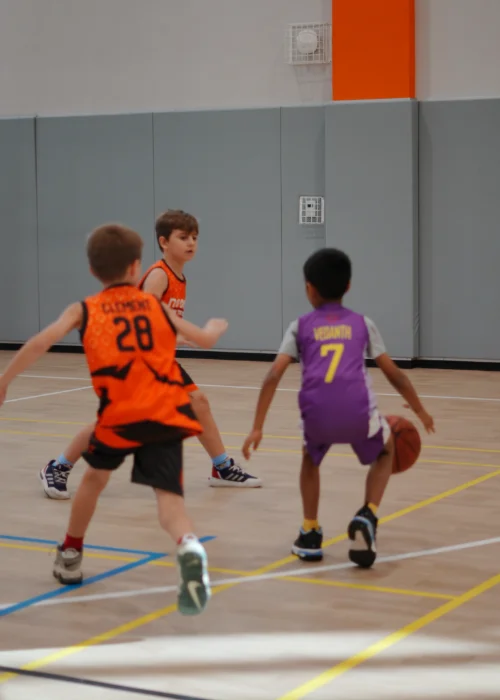
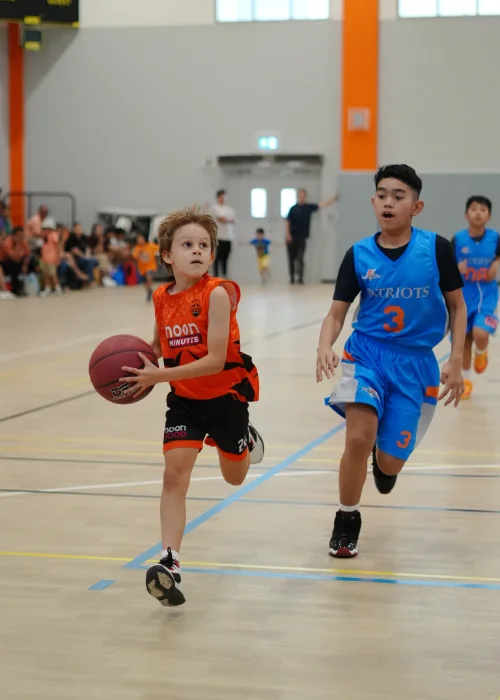
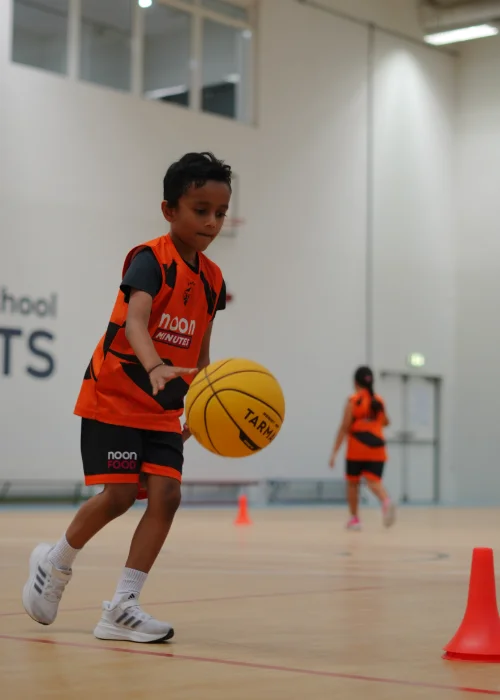
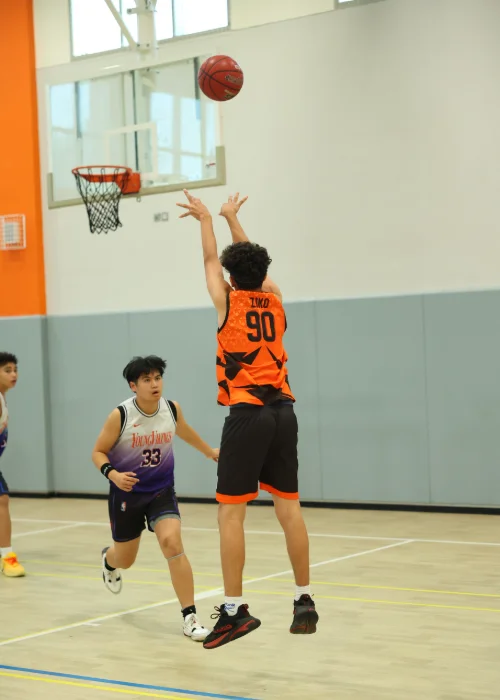
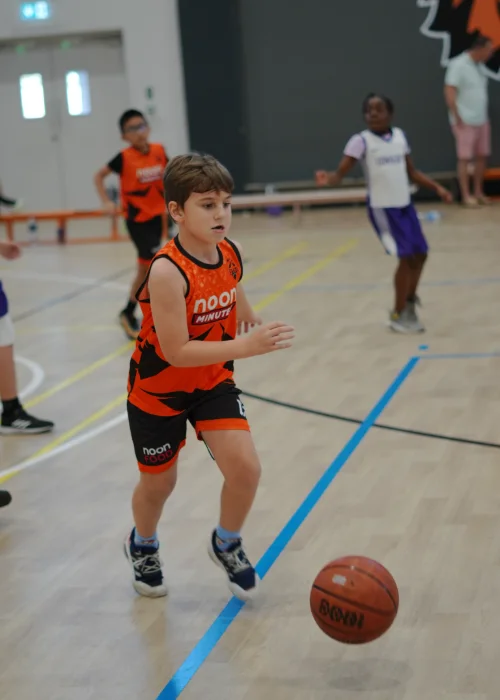
A New Basketball Season Is a Fresh Starting Point
The beginning of a basketball season carries a particular kind of energy. Returning players want to see teammates and test the skills they practised. Beginners arrive curious about the court, the ball and the group. Parents compare locations, schedules and programmes before the busiest age groups fill.

For families considering kids’ basketball registration in Dubai or Sharjah, the new season is more than a date on the calendar. It is a natural moment to choose the right environment, establish a weekly routine and identify what the child should work towards.
Star Basketball Academy offers age-group training for boys and girls aged 4 to 18 across Dubai and Sharjah. The programme connects structured coaching, technical development, team play and real game experience.
Starting early can help families find a suitable venue and time. More importantly, it gives the child an opportunity to enter the season from the beginning, learn group routines and build relationships as the programme develops.
The new season tips off once. The habits it creates can last throughout the year.
Why the Start of the Season Is a Good Time to Join
Children can begin basketball at different points, but a new season provides several practical advantages.
Groups are being organised. Coaches are establishing expectations and beginning new training themes. Players are reviewing foundations before pressure and complexity increase.
A beginner may feel more comfortable when several children are entering a new cycle together. A returning player can use the moment to reset goals and correct habits. An experienced athlete may move into a more challenging group or competitive role.
Starting with the group also supports continuity. Training themes often build from week to week. Early attendance gives the child the full context rather than joining after several ideas have already been introduced.
This does not mean a late starter cannot succeed. It means the beginning of the season makes the transition especially clear.
Decide What Your Child Needs from Basketball
Before comparing academies, consider why your child wants to play.
A young beginner may need an enjoyable introduction to movement, ball control and teamwork. Another child may already play at school and want more technical coaching. A teenager may be looking for organised competition and a stronger development pathway.
Parents may value physical activity, confidence, friendships or discipline alongside basketball skills. These outcomes can coexist, but the group and coaching environment should suit the child’s current needs.
Ask the child what sounds exciting and what feels uncertain. A simple conversation can reveal whether the priority is trying the sport, joining a team, improving a particular skill or finding a more serious challenge.
Clear expectations help families assess whether a programme is a good fit.
Choose the Right Age Group and Development Level
Age-group organisation supports safety, communication and suitable challenge. A four-year-old needs a different session from a fourteen-year-old.
Age should not be the only consideration. Two children of the same age may have very different experience, coordination and confidence. One may be learning to dribble; another may already play competitive fixtures.
A trial helps coaches observe the child and recommend a group. Parents should share honest information about previous training and any factors that affect participation.
The right group should provide enough success for confidence and enough challenge for learning. If the environment is too easy, progress may slow. If it is consistently overwhelming, the child may receive too few meaningful repetitions.
Ask how the academy reviews placement as players develop. A group should be a current learning environment, not a permanent label.
Basketball Training for Ages 4–7
At the youngest stage, basketball should introduce movement and the ball in an engaging way.
Children can practise stopping, balancing, changing direction, bouncing and catching. Simple games develop coordination and listening without long explanations.
Equipment and tasks should be appropriate where possible. Young children need many turns and minimal waiting. The objective is not to copy an adult practice at a slower speed.
Success includes enthusiasm. A child who wants to return has established an important foundation.
Parents should look for patient communication, active sessions and a coach who recognises the emotional needs of a young beginner.
Basketball Training for Ages 8–12
Primary-age players can develop stronger technical foundations and simple game understanding.
Training may cover control with both hands, passing on the move, balanced shooting, defensive stance, footwork and spacing. Small-sided games help players apply skills frequently.
Children at this stage often arrive with varied experience. Coaches need ways to support a beginner and extend a more advanced player within the same theme.
Team habits become increasingly important. Players learn to move after passing, communicate and contribute without the ball.
Competition can be introduced in a form that emphasises involvement and learning.
Basketball Training for Ages 13–18
Teenagers may need greater intensity, tactical detail and position-related development.
Skills must remain reliable under pressure. Players work on reading defenders, executing at speed, defending collectively and making decisions during transitions.
Older athletes can take more responsibility for targets, preparation and performance review. Coaches should still provide structure and protect a healthy learning environment.
Competitive opportunities may become more significant. The programme should explain how training connects to teams and real games.
Growth and maturity vary greatly during adolescence, so physical differences should not become permanent judgements about potential.
What a Structured New-Season Programme Should Include
A credible youth basketball programme is more than a list of weekly sessions.
It should have clear learning themes and a progression from technical practice into decisions and games. Coaches should understand what each activity develops and adapt tasks for the group.
Players need work on ball handling, passing, shooting, footwork, movement, defence and game understanding. These elements should connect rather than appear as random drills.
Individual feedback helps children identify priorities. Real games reveal whether learning transfers under pressure.
Parents should be able to ask what players are working on and receive a clear answer.
Why Registering Early Can Help Families
Popular age groups and convenient times may have limited capacity. Early registration gives families more opportunity to choose a suitable option before the season becomes busy.
It also allows time to organise transport, equipment and the weekly schedule. Children can approach the first session prepared rather than entering through a rushed decision.
Early action should not replace evaluation. A family can book a trial, ask questions and confirm details before making a longer commitment.
Avoid relying on old schedules or third-party listings. Contact the academy for current venues, groups, times, availability and registration terms.
Choosing a Convenient Dubai or Sharjah Venue
Location influences attendance. A strong programme is less useful if the journey makes consistent participation unrealistic.
Consider the route at the actual training time, not only the map distance. Dubai and Sharjah traffic can change the practical meaning of “nearby.”
Think about where the child will be before training—home, school or another activity. Include time for changing, food and hydration.
If the nearest venue does not offer the correct group, compare the next practical option. The best choice balances coaching quality, group suitability and family logistics.
Confirm parking, collection and facility guidance for the specific location.
Building a Sustainable Weekly Routine
Consistency gives development time to happen.
Prepare clothing, footwear and water in advance. Place training in the family calendar and allow a realistic travel buffer. Older children can gradually take responsibility for their kit.
Balance matters. Basketball should fit alongside school, rest and family life. A schedule that regularly causes late nights or rushed meals may become difficult to sustain.
Regular attendance does not mean ignoring illness or recovery. It means creating a predictable routine under normal circumstances.
A convenient venue and suitable time reduce friction and help the child arrive ready to learn.
What Equipment Does a Young Player Need?
Families should ask the academy for venue-specific requirements.
In general, children need comfortable sports clothing, suitable court footwear and water. Jewellery policies and any uniform expectations should be confirmed.
Do not assume a child must purchase expensive equipment before a trial. Ask whether a ball is needed and which size is appropriate for the age group.
Footwear should fit securely and support safe movement. Brand and appearance matter less than comfort and suitability.
Write the child’s name on personal items where practical.
Preparing a Beginner for the First Session
A child may feel excited and nervous at the same time. Explain that the first session is an opportunity to try, not an examination that requires instant success.
Arrive early enough to find the court and meet the coach. Share relevant experience but avoid giving the child a long list of instructions immediately before training.
Young beginners may benefit from knowing the basic sequence: warm-up, skill activities, games and collection. The actual format may vary.
Afterward, begin with the child’s experience. Ask what felt enjoyable or interesting before analysing performance.
The first objective is a safe, positive connection with basketball.
Setting a Useful New-Season Target
A target gives direction without requiring pressure.
For a beginner, the target might be dribbling with control or joining every activity. A developing player may work on using the weaker hand, stopping under balance or moving after a pass. An older player may focus on reading defensive help or communicating consistently.
The target should be clear, relevant and connected to training. It can change as progress becomes consistent.
Parents can ask the coach what the group is developing and what individual priority may help the child.
Avoid choosing targets based only on points. Scoring is one outcome within a much broader game.
Real Games and the New-Season Pathway
Children often join because they want to play matches. Training should prepare them for that experience.
Real, refereed games introduce pressure, teamwork and decisions. Coaches can observe which skills transfer and return those lessons to practice.
Competition should be suitable for the player’s stage. A beginner may begin with small internal games. More experienced players may move towards teams and stronger fixtures.
Parents should ask what competition opportunities currently exist for the relevant group and what commitment they require.
The score matters to players, but development should be measured through decisions, habits and contribution too.
What Parents Should Look for During a Trial
Observe how quickly children become active. Long queues reduce practice. Notice whether the coach communicates clearly and uses feedback that a child can apply.
Look at how different levels are handled. Are beginners included? Are strong players challenged? Does the coach respond to mistakes constructively?
See whether technical activities connect to decisions and games. Ask what the session objective was.
Consider the culture. Do teammates communicate respectfully? Does the environment feel organised and welcoming?
The trial should help the academy understand the child and help the family assess the programme.
Questions to Ask Before Basketball Registration
Parents can confirm:
- Which group suits my child’s age and experience?
- Where and when does the group currently train?
- Is a trial available?
- What clothing, footwear or equipment is required?
- How many sessions are included?
- How does the programme provide feedback?
- What match opportunities exist?
- What are the current registration, payment, cancellation and make-up terms?
- How are schedule changes communicated?
The source campaign materials do not establish every commercial detail, so families should verify current terms directly.
Supporting Your Child During the Season
Parents can encourage consistency and curiosity without becoming a second coach.
Ask what the child learned and what was difficult. Recognise effort, teamwork and decision-making, not only points.
During games, encourage rather than direct every possession. Players need to read the court and follow the coaching framework.
If a concern appears, communicate through the academy’s appropriate channel rather than discussing it emotionally immediately after a fixture.
Protect rest and balance. The aim is a healthy, sustainable relationship with sport.
Signs of a Strong Start
A successful beginning is not defined by instant selection or high scoring.
The child begins to understand routines, remembers teammates and looks forward to attending. Ball control becomes more comfortable. The player can explain a coaching point or attempts a new skill.
Older players may show improved preparation, focus and response to feedback. Beginners may simply join the group with less hesitation.
These early habits create a foundation. Consistency and appropriate challenge can then turn them into visible basketball progress.
Begin the Season with Purpose
The start of a new basketball season offers families a chance to choose carefully and children a chance to begin with direction.
Star Basketball Academy provides structured training for boys and girls aged 4 to 18 across Dubai and Sharjah. Players can develop skills, fitness, teamwork and game understanding within an age-group pathway.
Choose a suitable group. Test the environment through a trial. Build a routine the family can maintain. Give the child time to learn.
The first tip-off is only the beginning.
Register for the New Basketball Season
Contact Star Basketball Academy to confirm current age-group places, Dubai and Sharjah venues, session times and registration information. Book a trial or sign up for the most suitable new-season group.
For current programme information, visit Star Basketball Academy, check the basketball locations and timetable, or book a basketball trial.
Current Supplied Venues
Basketball
- Al Barsha
- RIT–DSO
- Ashmount School
- Jumeirah–JBS
- Mirdif Uptown School
- Al Khaleej Al Warqa
- South School
- Sharjah
- Al Qusais
Please note: Venue schedules and age-group availability can change. Contact Star Basketball Academy to confirm the exact venue name, current group and trial time.
Frequently Asked Questions
What ages can register for Star Basketball Academy?
The approved campaign brief covers boys and girls aged 4 to 18. Confirm current groups and locations directly.
When should parents register for the new basketball season?
Register once the academy confirms current groups and the family has assessed fit. Earlier action may provide more choice where age-group capacity is limited.
Can beginners join at the start of the season?
Yes. A new season can be an effective entry point because groups are beginning new routines and development themes.
Is a basketball trial available in Dubai or Sharjah?
The campaign calls families to book trials. Contact the academy to confirm current trial arrangements at the preferred venue.
What should a child bring to basketball training?
Confirm venue guidance. Generally, children need sports clothing, suitable court shoes and water. Ask whether a ball or uniform is required.
Will children play real basketball games?
The supplied programme information describes real, refereed games within the development pathway. Availability depends on age, level and current programme structure.
How do I choose the right basketball group?
Consider age, experience, confidence and current ability. A trial and coach recommendation provide stronger guidance than age alone.