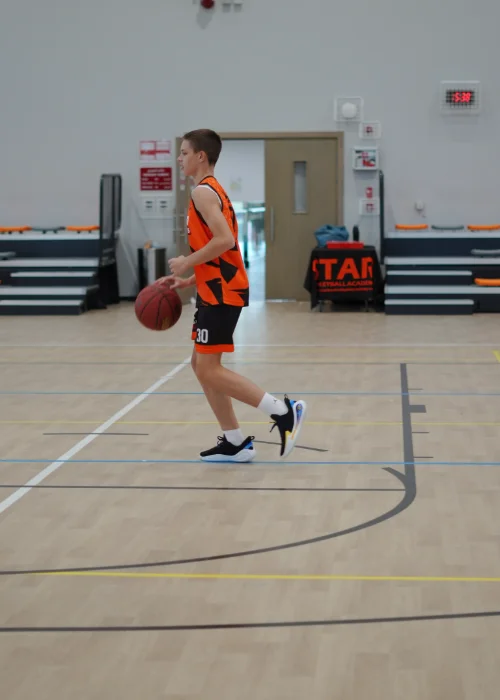
There Is a Difference Between Attending a Class and Joining an Academy
A casual basketball session can be enjoyable. Children move, meet others and spend time with the ball. For some families, that may be exactly what they want.

An academy programme makes a different promise. It says that one session will connect to the next, that coaches will teach rather than simply supervise and that players will have a route from basic skills towards real game understanding and competition.
Parents comparing a youth basketball academy in the UAE should therefore look beyond the length of a class or the number of cones on the court. The important questions concern continuity, purpose and progression.
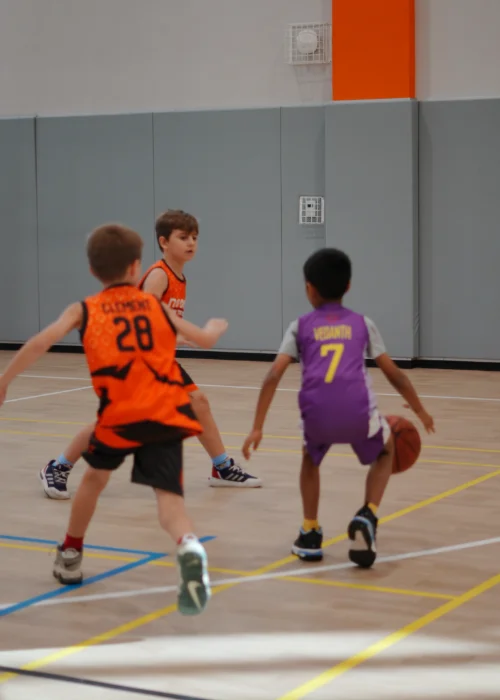
At Star Basketball Academy, boys and girls aged 4 to 18 train in age-group environments across Dubai and Sharjah. Skills, fitness, team play and progression form one connected programme. Coaches can observe development over time and help players understand what to work on next.
This is more than basketball training as a weekly transaction. It is a process for building a player.
What Defines a Complete Basketball Programme?
A complete programme has a plan for development across a term or season. It balances technical fundamentals, movement, decisions, teamwork and competition.
The components should support one another. Ball-handling practice helps a player control possession; decision-making teaches when to drive or pass; team spacing creates the room in which that decision can succeed; game experience tests everything under pressure.
No single drill creates a complete player. Development comes from repeatedly connecting skills to situations.
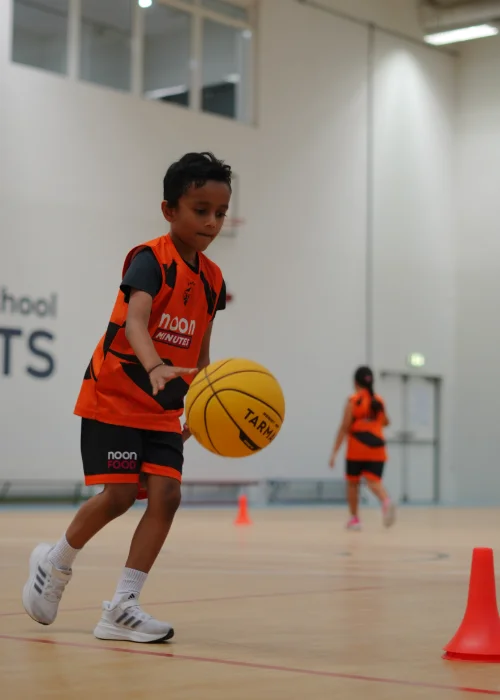
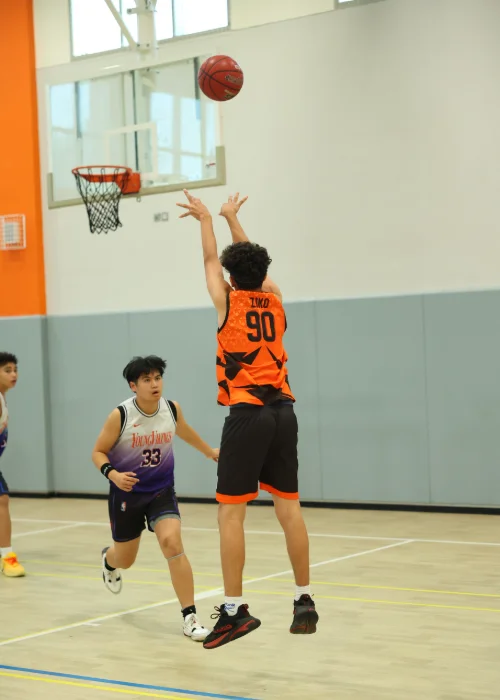
A programme also recognises different starting points. A four-year-old beginner needs playful movement and early ball familiarity. An experienced teenager may require tactical detail and performance under pressure. Both deserve a coherent next step.
The academy should be able to explain what it teaches, how players progress and how coaches respond when a child needs a different challenge.
Why Random Sessions Limit Long-Term Progress
Children can learn something from almost any active basketball experience, but random sessions create gaps.
One week may feature shooting games and the next may focus on dribbling, with no connection or follow-up. Players repeat activities without understanding whether habits are improving. Coaches may not revisit the problems that appeared during games.
Variety keeps training interesting, but variety should exist inside a plan. A theme can appear in different activities and situations without becoming repetitive.
For example, a block on attacking space may include first-step footwork, change-of-pace dribbling, passing when defensive help arrives and small-sided games. Each session adds a layer.
Continuity allows the coach to see whether learning is becoming reliable. It also helps children recognise that improvement requires patience.
Technical Skill Is the Foundation, Not the Whole Building
Young basketball players need ball handling, passing, shooting, footwork, finishing, defence and rebounding. These technical foundations give them ways to interact with the game.
However, a technique only becomes useful when the player recognises the right moment.
A child may execute a crossover in a drill but use it when a simple pass is available. A player may possess good shooting form but fail to create balance after moving. Another may defend energetically while losing position.
A complete programme moves from how to why and when. Technical practice introduces control. Guided pressure adds information. Games require decisions.
This progression turns skills into basketball.
Game Understanding Should Grow with Technique
Basketball is a fast problem-solving activity. Players identify advantages, create space and respond when circumstances change.
Game understanding includes knowing where to move after passing, when to attack before the defence is set and how to help a teammate defensively. It involves seeing more than the ball.
Coaches can develop understanding by using small-sided games, questions and carefully designed constraints. Players need enough freedom to choose and learn from outcomes.
Constant sideline instructions may create temporary compliance but limit independence. The aim is a player who can interpret the court.
As athletes mature, tactical concepts can become more detailed, but the foundation remains the same: notice information, make a decision and act with purpose.
Physical Development Within Basketball
Basketball requires coordination, balance, acceleration, deceleration, jumping and changes of direction. A complete academy incorporates these demands appropriately.
For younger children, varied movement games build physical literacy. They learn to stop safely, control the body and change direction.
Older players can encounter increased intensity, basketball-specific movement and conditioning integrated into play. Physical work should support performance rather than imitate adult programmes without regard to age.
Recovery, hydration and safe training conditions matter, particularly in the UAE. Parents and players should follow venue and coaching guidance.
Fitness is not a punishment for mistakes. It is one part of preparing the body to perform skills and decisions consistently.
Team Play Cannot Be Learned in Isolation
Basketball is a team sport. Individual skill attracts attention, but players need to cooperate with four teammates on court.
They learn to create passing angles, move without the ball, screen, communicate and recognise another player’s advantage. Defensively, they contain, help, recover and rebound together.
Team play teaches that contribution extends beyond points. A well-timed cut can create a teammate’s shot. Good defensive positioning can prevent a pass without producing a steal.
Group training provides these interactions. Coaches can make roles visible and praise decisions that support the team.
An academy environment should help skilled individuals become useful teammates.
Individual Feedback Inside a Group Programme
Players in one group do not need identical feedback.
During the same activity, a beginner may work on keeping the dribble controlled while another player focuses on reading defensive help. The coach can adapt space, pressure, questions and targets.
Specific feedback tells a child what happened and what to try next. “You stopped under balance and found the pass” is more useful than general praise.
Correction should remain manageable. Players cannot consciously change five details at once. A coach prioritises the point that matters most.
Over time, feedback creates continuity. The child knows that the coach remembers the previous target and notices progress.
This relationship is difficult to build through disconnected drop-in sessions.
Progression Gives the Programme Direction
Children need an appropriate next challenge.
For a beginner, progression may mean controlling the ball while moving or joining a small game confidently. A developing player may use skills against live defence. An experienced athlete may enter a team and face real competition.
Progression is not a race between children. Age, experience, maturity and confidence affect readiness. Movement into a stronger group should support learning rather than reward status alone.
A pathway also protects beginners. They can start at a suitable level instead of being thrown into an environment designed for advanced players.
Parents should ask how the academy reviews placement and what options exist as the child develops.
Real Games Complete the Learning Cycle
Training provides repetition and guidance. Games introduce unpredictable pressure.
Players must make decisions against opponents, respond to a score and cooperate without the coach controlling every possession. Skills that look comfortable in practice may become unreliable.
This information is valuable. Coaches observe patterns and bring them back into training.
If players struggle to pass out of pressure, later sessions can recreate the situation. If spacing improves but finishing becomes rushed, the programme can respond.
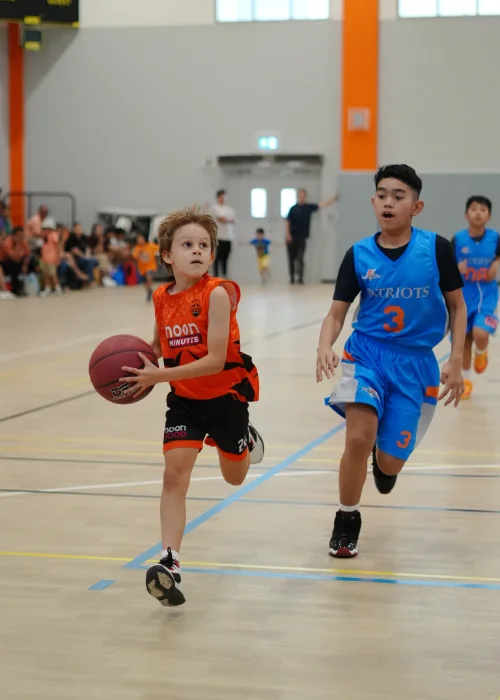
Real, refereed games should be appropriate for the group. The purpose is not only to produce results; it is to develop players through authentic basketball experience.
Competition Without a Win-at-All-Costs Culture
Children enjoy trying to win, and competition can teach focus and resilience. Problems arise when adults treat a youth score as the only evidence of success.
A team may win because one physically advanced player controls every possession. Another team may lose while showing improved movement, decisions and courage.
Coaches can ask players to compete fully and still review performance broadly. Effort, execution, teamwork and response to mistakes all matter.
Parents support this culture by encouraging rather than directing and by respecting officials and opponents.
Development does not make winning irrelevant. It places the result inside a longer journey.
Confidence and Belonging Are Part of Performance
Players learn better when they feel safe enough to try.
Confidence grows through evidence: controlling the ball, understanding a task, helping the team or recovering after a difficult moment. Specific feedback makes progress visible.
Belonging develops through repeated relationships. Players learn names, share routines and rely on teammates. A child who feels part of the group is more likely to participate.
Coaches should welcome new players and prevent confident personalities from dominating every interaction. Clear standards help everyone understand how to contribute.
These outcomes matter personally, and they also influence basketball performance.
The Importance of Consistency
A complete programme needs regular participation.
Training themes connect, and coaches need time to observe habits. A player who attends consistently receives more repetition and stronger relationships.
Families should choose a venue and schedule they can sustain. The closest location is not always best if it lacks the correct group, but an exhausting journey may undermine attendance.
Prepare kit and water in advance. Balance basketball with school, sleep and recovery.
Consistency is not perfection. Illness and family circumstances happen. It means building a normal routine in which training has a reliable place.
How a Programme Supports Beginners
Beginners need more than simplified drills. They need an intentional entry experience.
Coaches can reduce space or pressure thoughtfully, use clear demonstrations and create frequent contact with the ball. Small successes build comfort.
New players also learn social routines: where to stand, how to find a partner and how games begin. A welcoming coach makes uncertainty manageable.
The programme should not treat a beginner as a disruption to advanced players. Appropriate grouping and task adaptation give the child a legitimate place to develop.
The objective is not instant competence. It is a foundation and a desire to return.
How a Programme Challenges Advanced Players
Experienced athletes require more than faster repetitions.
Coaches can reduce time and space, introduce stronger defensive reads and increase tactical responsibility. Players may need to execute with fatigue or recover quickly in transition.
Advanced development also involves consistency. A skill performed occasionally must become reliable against pressure.
Older players can analyse performance and help set targets. Competition exposes the next priority.
Challenge should remain connected to learning rather than using exhaustion as proof of quality.
Academy Coaching Versus Private Training
Private coaching can offer concentrated technical attention. Group academy training provides teammates, defenders and game decisions.
The two formats serve different purposes. Individual work may help refine a specific movement, but basketball understanding requires interaction.
Families should consider the child’s need rather than assuming one format is automatically superior. A complete group programme can provide individual feedback while preserving the team context.
If additional private training is considered, communication and workload should remain coherent. More activity is not always better.
The foundation should be a sustainable environment in which skills transfer to real play.
What Parents Should Look for During a Trial
Observe whether children are active and whether the session has a clear objective. See if technical work progresses into decisions and games.
Listen to feedback. Is it specific and respectful? Are different ability levels supported?
Ask how the academy plans across a season, reviews progress and connects training to games. Confirm current groups, venues and schedules.
Notice culture. Do players communicate constructively? Does the coach respond calmly when mistakes occur?
A trial helps parents evaluate the programme and allows the child to experience it.
Questions That Reveal Programme Quality
Parents can ask:
- What are players learning during this training block?
- How are age and ability groups organised?
- How do coaches provide individual feedback?
- What happens when a player needs more or less challenge?
- How does the programme develop team play?
- What real game opportunities exist?
- How is progress communicated?
- Which location and schedule fit our family?
Clear answers indicate that the academy has a process, not only a collection of classes.
Signs That Your Child Is Receiving More Than a Class
The child begins explaining what the group is learning. Skills appear in games, not only drills. Coaches know the player’s target.
Movement without the ball improves. Decisions become calmer. The player communicates, contributes defensively and responds more constructively to mistakes.
The child develops relationships and understands routines. Progression feels purposeful rather than random.
These changes may develop gradually. Look for patterns across a term or season rather than one performance.
Choose a Connected Basketball Journey
A weekly class can provide activity. A complete academy programme connects activity to development.
Star Basketball Academy offers boys and girls aged 4 to 18 across Dubai and Sharjah a pathway that combines skills, fitness, team play, feedback and real games.
Every week should build on something. Every player should have a next step. Every game should return useful lessons to training.
That is what makes the experience more than basketball training.
Book a Basketball Academy Trial
Book a trial with Star Basketball Academy to experience a connected youth development programme. Confirm the right age group, venue and current schedule in Dubai or Sharjah.
For current programme information, visit Star Basketball Academy, check the basketball locations and timetable, or book a basketball trial.
Current Supplied Venues
Basketball
- Al Barsha
- RIT–DSO
- Ashmount School
- Jumeirah–JBS
- Mirdif Uptown School
- Al Khaleej Al Warqa
- South School
- Sharjah
- Al Qusais
Please note: Venue schedules and age-group availability can change. Contact Star Basketball Academy to confirm the exact venue name, current group and trial time.
Frequently Asked Questions
What is the difference between a basketball class and an academy programme?
An academy programme should connect sessions through structured development, individual feedback, team play, progression and suitable competition.
Is a youth basketball academy suitable for beginners?
Yes. A complete programme should provide an age-appropriate entry point and increase pressure as confidence and skill develop.
Why are real games important?
Games require players to apply skills and make decisions against genuine opponents. Coaches can use the lessons to shape future training.
Does team training still provide individual attention?
It can. Skilled coaches use individual targets, questions and task adjustments within a shared session.
How long does basketball development take?
Development is ongoing and varies by child. Consistent participation and appropriate challenge matter more than promises of instant improvement.
Where does Star Basketball Academy operate?
The approved campaign information covers Dubai and Sharjah for boys and girls aged 4 to 18. Confirm current venues directly.
What should parents ask during a trial?
Ask about session objectives, group placement, feedback, progression, match opportunities and practical schedule details.