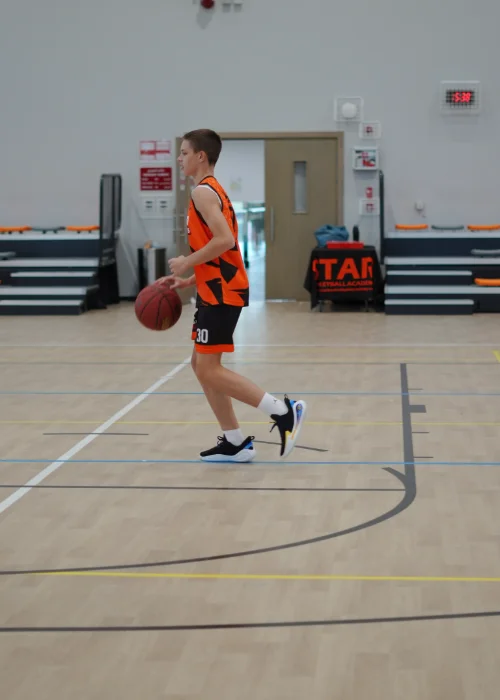
Every Player Has a Next Level
One child may be picking up a basketball for the first time. Another can dribble comfortably but needs to understand team spacing. A third is ready to test skills in stronger games.
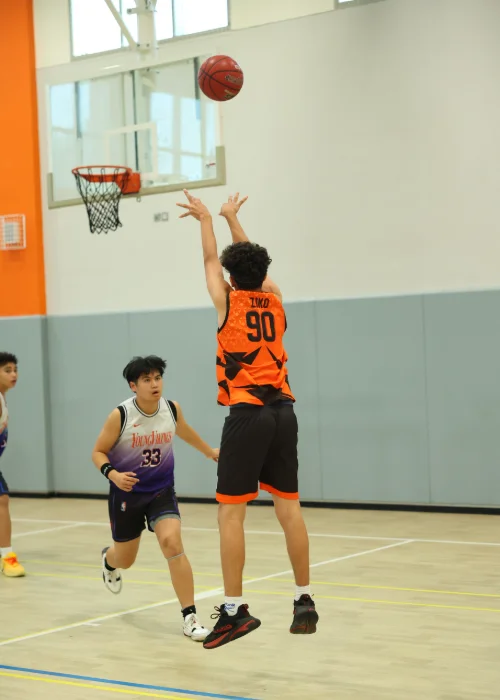
Their next levels are different, and that is exactly how youth development should work.
A basketball pathway gives players a sequence of suitable challenges. It begins at the child’s current stage and creates a route towards greater skill, understanding, responsibility and competition.
Parents looking for a basketball development pathway in Dubai or Sharjah should not expect every child to move at an identical speed. Development depends on age, experience, confidence, physical growth and the demands of each skill.
At Star Basketball Academy, boys and girls aged 4 to 18 can move from age-group training towards teams and real competition when ready. Coaches help players build technical foundations, make decisions and contribute to a group.
The next level is not a marketing label. It is the next challenge that helps the player learn.
What Is a Youth Basketball Development Pathway?
A pathway is a connected structure that supports players from entry-level participation through progressively more demanding basketball experiences.
It may include beginner groups, development training, team preparation and competitive fixtures. The names of stages matter less than their purpose.
At each stage, players should understand what they are learning and what readiness for the next challenge looks like. Movement should be based on development, not pressure to keep pace with friends.
A good pathway also allows flexibility. A player may need more time in one area and progress quickly in another. Changes in confidence, growth or schedule can affect the journey.
The academy’s role is to provide continuity so families do not have to search for an entirely new programme whenever the child improves.
Level One: A Positive Beginning
The first stage should make basketball accessible.
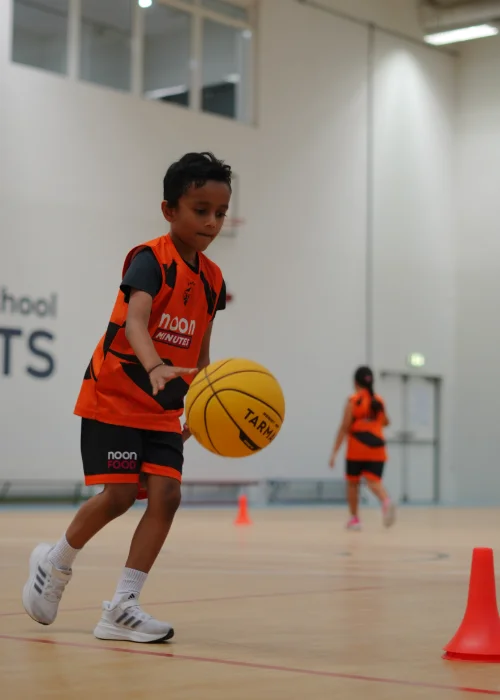
Young beginners need ball familiarity, coordination and simple rules. They learn how to bounce, catch, stop, turn and move in a shared space.
The emotional experience matters. A child who feels embarrassed or excluded may not remain long enough to develop. Coaches should welcome new players, use clear language and create frequent opportunities to succeed.
Fun is not separate from learning. Enjoyable challenges help children repeat movement and remain curious.
The goal is not to imitate an adult game immediately. It is to establish comfort, basic habits and the desire to return.
Level Two: Building Reliable Foundations
As confidence grows, players need stronger control.
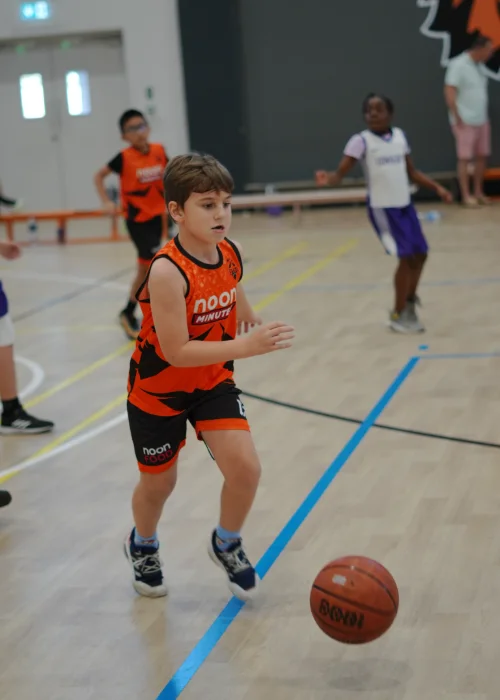
Ball handling develops with both hands and while moving. Passing includes accuracy, timing and the position of the receiver. Shooting work builds balance, footwork and a repeatable release.
Defence and movement without the ball become increasingly important. Players learn that basketball continues when they do not possess the ball.
Skills should be tested in simple decisions. A player may choose between passing and driving or respond to the movement of a defender.
This stage gives children a wider toolkit and begins connecting technique to game understanding.
Level Three: Applying Skills Under Pressure
A skill that works without opposition may change under pressure.
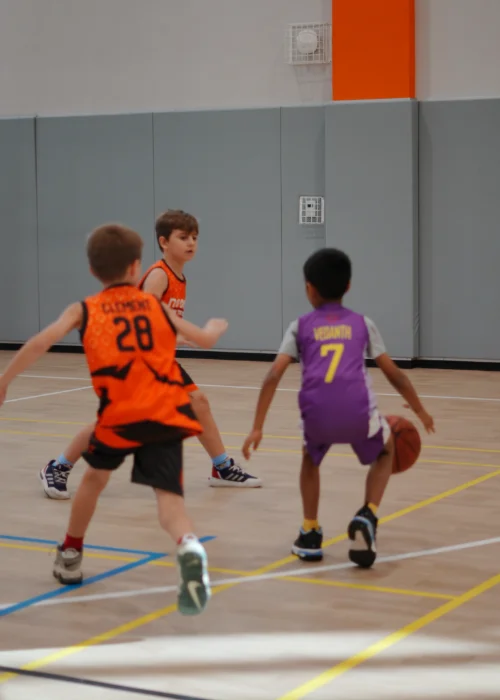
Players at the next stage need less time and space. Defenders become active. Decisions multiply. The athlete must control the body and the ball while scanning the court.
Small-sided games are valuable because they increase involvement. Players repeatedly attack, defend and transition.
Coaches observe whether technique remains stable and whether choices suit the situation. Feedback becomes more specific.
Pressure should be progressive. If the task produces only chaos, the coach can simplify before rebuilding difficulty.
Level Four: Joining a Team Environment
Team basketball adds roles, shared principles and responsibility.
Players learn how spacing, cuts and passing create advantages. Defensively, they communicate, help and recover. Individual ability must operate within a group.
Joining a team does not mean development is complete. It creates new problems to solve.
Coaches may consider skill, understanding, attendance, confidence and readiness for the team’s current level. Selection should be communicated respectfully.
Not every child needs the same competitive ambition. The pathway should offer meaningful development without treating one team label as the only valuable outcome.
Level Five: Real Competition
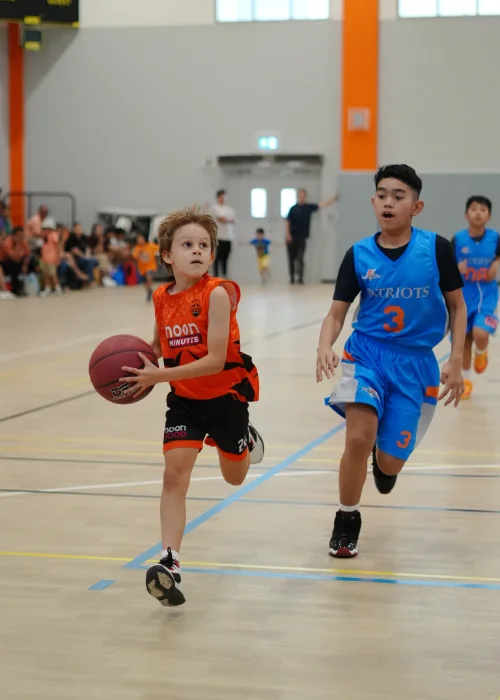
Competitive games test preparation in an unpredictable environment.
Players face opponents who actively remove preferred options. They manage a score, officials, time and emotion. The coach cannot control every possession.
Competition reveals strengths and priorities. A player may discover that the weaker-hand dribble disappears under pressure or that defensive positioning remains reliable.
Coaches bring these observations back into training. Games become part of a learning cycle rather than a final judgement.
The level should stretch players while allowing genuine participation. Constantly overwhelming competition provides limited opportunity to apply skills.
Progression Is Not Only Moving to an Older or Stronger Group
Parents can easily associate progress with promotion. Group movement is one indicator, but it is not the whole picture.
A player progresses when decisions become quicker, technique becomes more consistent or communication improves. A child may become reliable defensively or contribute without scoring.
These changes may occur before any formal move.
The focus should remain on the abilities the player is building. A label can change overnight; durable habits take time.
Coaches should help families understand why the current environment remains useful and what the child is working towards.
How Coaches Decide When a Player Is Ready
Readiness includes several dimensions.
Technical control
Can the player use core skills with enough reliability for the next environment?
Game understanding
Does the player recognise basic spacing, options and responsibilities?
Physical readiness
Can the athlete participate safely and manage the speed of play? Physical maturity should be interpreted carefully, especially during adolescence.
Confidence and behaviour
Can the player respond to challenge, listen and contribute within a group?
Attendance and commitment
Will the player attend consistently enough to participate in team preparation?
No single factor should automatically decide everything. Coaches combine observation across training and games.
Why Children Progress at Different Speeds
Development is uneven. A child may improve ball handling quickly and need longer with shooting. Another may understand team concepts but lack physical confidence.
Growth can temporarily affect coordination. School demands and changes in routine influence energy and attendance.
Early advantage does not guarantee long-term superiority. A physically mature player may dominate at one age while a later-developing teammate builds strong decision-making.
Comparing children too closely can hide meaningful progress. The useful question is whether the current challenge helps this player improve.
Patience is not a lack of ambition. It protects a durable foundation.
The Role of Individual Targets
A pathway gives broad direction; individual targets identify the next practical step.
A beginner may aim to dribble while looking forward. A developing player may work on stopping under balance. A team player may focus on defensive communication or reading help.
Targets should be clear and connected to practice. They help players take ownership and allow parents to recognise progress.
The coach can review a target when the behaviour becomes reliable or when another priority appears.
Several small improvements often create the readiness for a larger pathway move.
What Happens When a Player Finds the Next Level Difficult?
Increased difficulty is expected. A player who dominated a previous group may initially receive fewer touches or make more mistakes.
Coaches should distinguish productive struggle from an unsuitable placement.
Productive struggle still includes moments of success and visible learning. The child remains safe, involved and able to respond to feedback.
If a player becomes consistently overwhelmed, the challenge can be adjusted. Temporary movement between groups or targeted support may help.
Returning to a more suitable level is not failure. Placement should serve development rather than pride.
Avoiding the Rush to Specialise in a Position
Young players benefit from varied experiences.
Assigning a permanent position too early can limit skill development. A tall child should still learn to handle and pass. A small guard should understand rebounding and interior movement.
As players mature, roles may become more specific. Even then, versatile fundamentals increase options.
Coaches can expose children to different responsibilities while observing emerging strengths.
The pathway should build basketball players before narrowing them into labels.
How Game Experience Supports Progression
Training can create controlled repetitions. Games reveal whether the player recognises when to use them.
A coach may see that an athlete has the technical ability for a stronger group but needs quicker decisions. Another player may perform better in competition than drills suggest.
Regular suitable games provide evidence. They also build emotional experience: responding to mistakes, handling close scores and communicating under pressure.
Competition should inform progression without becoming the only assessment. One exceptional or difficult game should not define a child.
Patterns across time are more reliable.
The Parent’s Role in a Healthy Pathway
Parents can support ambition without turning development into a race.
Ask what the child is learning rather than only when promotion will happen. Encourage consistency and preparation.
Avoid comparing playing time, points or group placement with teammates. Children have different needs.
If you have questions, ask the coach about specific development priorities and the reasoning behind placement. Choose a calm time, not immediately after an emotional game.
At home, protect the child’s broader identity. Basketball progress should not determine family approval.
Questions to Ask About a Basketball Pathway
Parents can ask:
- What entry groups are available for beginners?
- How are players assessed for group placement?
- What skills and behaviours define readiness for the next stage?
- How often is placement reviewed?
- How does training connect to teams and fixtures?
- What competition currently exists for this age group?
- How are individual targets communicated?
- Can a player receive a different challenge without changing groups immediately?
Clear answers help families distinguish a real pathway from marketing language.
Choosing the Right Academy in Dubai or Sharjah
Look for continuity, qualified coaching, active sessions and suitable competition.
During a trial, observe how coaches handle different levels. Are beginners supported? Are advanced players challenged? Does the session connect skills to decisions?
Ask about current venues and schedules. A sustainable location makes consistent attendance more likely.
Consider culture. A pathway should be ambitious without making children afraid of mistakes.
No academy can guarantee elite outcomes. It should provide an honest process and appropriate opportunities.
Signs That a Player Is Ready for More Challenge
The child may execute core skills consistently in the current environment, recognise game options and remain engaged when pressure increases.
The player may seek stronger opposition, use feedback independently and contribute reliably to teammates.
Readiness can also appear as improved preparation and emotional response. The athlete recovers after mistakes and accepts responsibility.
These signs should be considered together. Desire alone does not define readiness, but it matters.
The coach and family can discuss the next suitable step.
What If Basketball Is Mainly for Enjoyment?
A pathway should not imply that every child must chase high-level competition.
Structured coaching benefits recreational players too. They can improve skills, stay active and belong to a team environment.
The next level may simply mean greater confidence or a more complete understanding of the game.
Children’s goals can change. A player who begins casually may later want competition; another may value weekly participation.
A healthy academy recognises multiple motivations while maintaining coaching standards.
Build a Pathway That Fits the Player
The purpose of progression is not to move children through labels as quickly as possible. It is to keep learning alive.
Star Basketball Academy offers boys and girls aged 4 to 18 across Dubai and Sharjah a connected route from beginner foundations through skills groups, teams and real competition when ready.
Every stage should build ability. Every move should have a reason. Every player should understand the next practical target.
Whatever the starting point, the next level can begin here.
Book a Basketball Pathway Trial
Book a trial with Star Basketball Academy to identify a suitable current group and discuss the development pathway available for your child in Dubai or Sharjah.
For current programme information, visit Star Basketball Academy, check the basketball locations and timetable, or book a basketball trial.
Current Supplied Venues
Basketball
- Al Barsha
- RIT–DSO
- Ashmount School
- Jumeirah–JBS
- Mirdif Uptown School
- Al Khaleej Al Warqa
- South School
- Sharjah
- Al Qusais
Please note: Venue schedules and age-group availability can change. Contact Star Basketball Academy to confirm the exact venue name, current group and trial time.
Frequently Asked Questions
What is a youth basketball development pathway?
It is a connected sequence of age- and stage-appropriate training, team experiences and competition that gives players suitable next challenges.
Does every player need to join a competitive team?
No. Structured development can support recreational and competitive goals. The pathway should reflect the child’s interests and readiness.
How do coaches decide when a child moves up?
They may consider technical control, understanding, physical readiness, confidence, behaviour, attendance and performance across time.
Can beginners join Star Basketball Academy?
Yes. The approved programme covers boys and girls aged 4 to 18 from first-dribble stages through competitive levels.
What if my child struggles after moving to a stronger group?
Some struggle is normal. Coaches can adapt the challenge and review whether the environment remains productive and appropriate.
Are teams and real games part of the programme?
The source campaign describes progression from skills groups into teams and real competition. Confirm current opportunities for the relevant age group.
Where are Star Basketball Academy sessions available?
The campaign brief covers Dubai and Sharjah. Contact the academy for verified current venues and times.