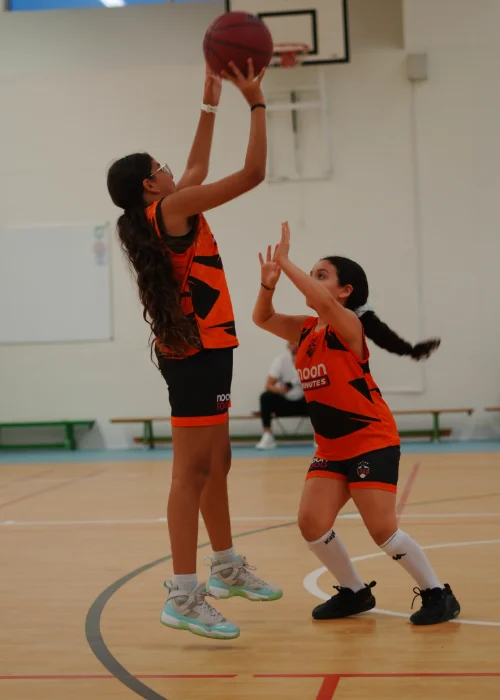
Training Teaches the Tools; Games Test Their Use
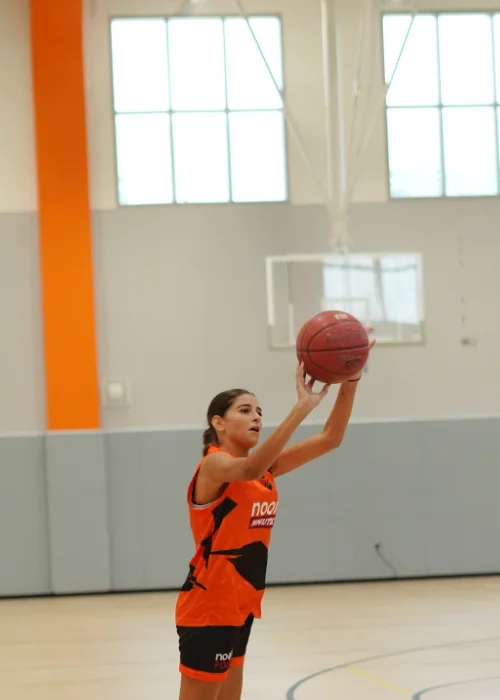
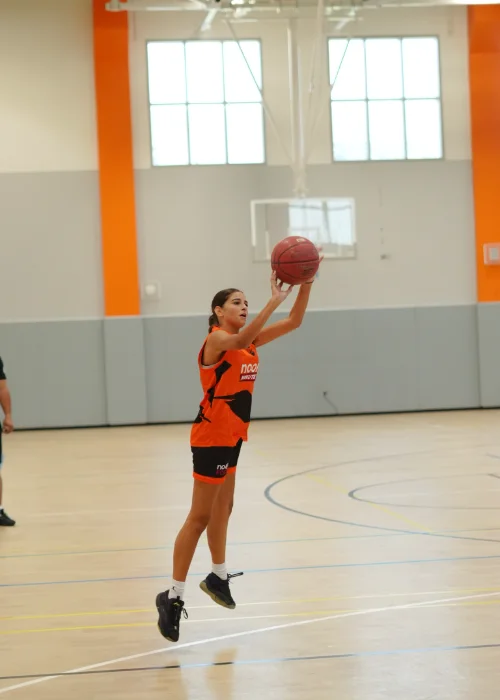
A girl can dribble around cones, complete passes with a partner and take technically sound shots during practice. Those repetitions matter. Basketball becomes fully alive, however, when an opponent tries to stop her, teammates move unpredictably, the score changes and a referee applies the rules.
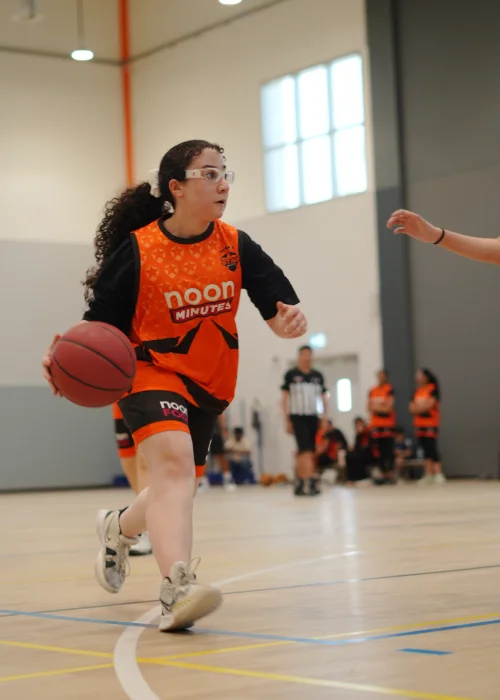
“She plays real games” means development does not remain inside controlled drills. The player receives opportunities to apply what she has learned in the sport’s authentic environment. She must observe, decide, execute and respond—often in seconds.
For parents searching for girls’ basketball games in Dubai, match opportunities can be an important distinction between programmes. Yet games are most valuable when they connect to structured coaching. Competition without preparation can become chaos; training without application leaves part of the learning cycle incomplete.
Star Sport Academies’ approved girls’ basketball programme includes real, refereed games as part of development and progression into competition when players are ready. The exact opportunities, formats and schedules should be confirmed for each current group.
What Makes a Game “Real”?
A real game includes opposition, shared rules, an outcome and decisions that cannot be fully predicted. Referees add independent rule enforcement, helping players understand how basketball is actually governed.
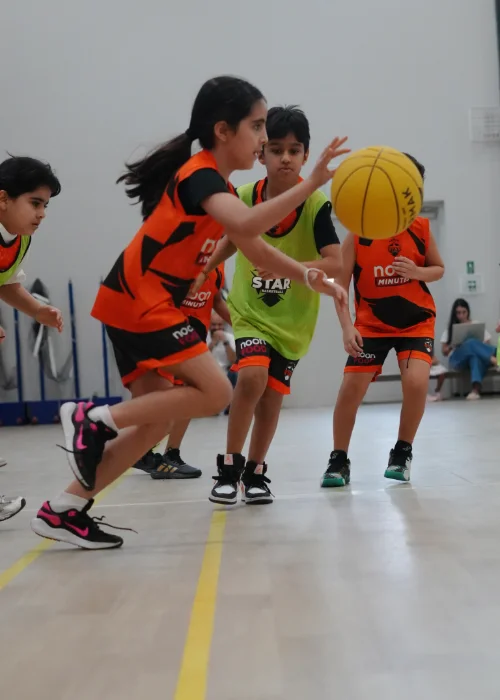
The format may vary by age and readiness. Younger or newer players can benefit from modified courts, simplified rules, shorter periods or small-sided competition. These adaptations do not make the experience meaningless. They make essential game problems accessible.
More experienced players can progress toward fuller formats, stronger opposition and more complex tactical responsibilities. The competitive demand should rise as their ability to manage it grows.
The purpose is not to imitate adult professional basketball at every age. It is to let girls experience genuine attack, defence, transition, teamwork, officiating and consequence at a suitable level.
Why Drills Cannot Reproduce Everything
Drills allow coaches to isolate and repeat a skill. They are useful for introducing technique and correcting details. Their limitation is predictability.
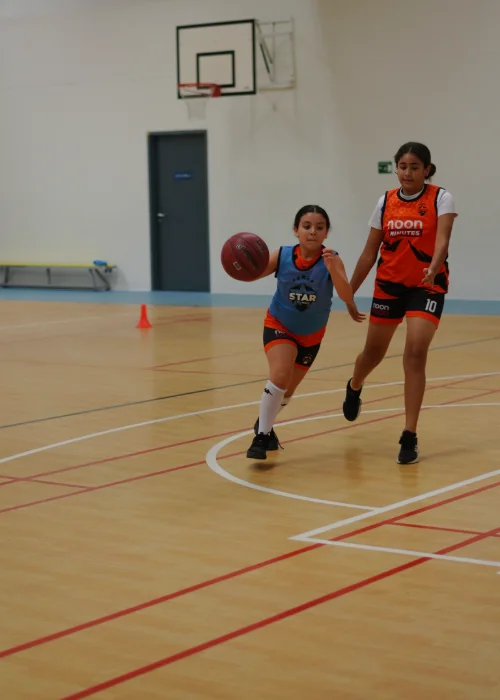
In a passing drill, a girl may know exactly where the receiver will stand. In a match, defenders change the angle, teammates cut and the original option disappears. In shooting practice, she may repeat from one spot. In a game, she must prepare her feet after movement while deciding whether the shot is appropriate.
Real games combine multiple problems:
- ball control under active pressure;
- passing through changing lanes;
- shot selection;
- off-ball spacing;
- defensive positioning;
- transition after possession changes;
- communication;
- time and score awareness; and
- emotional response.
That combination reveals whether a skill is adaptable. It also shows the coach what training should address next.
Games Develop Decision-Making
Every possession contains choices. The ball handler may drive, pass, shoot or reset. A teammate may cut, screen, space or move toward support. Defenders decide how closely to guard, when to help and when to recover.
In real games, girls cannot wait for perfect certainty. They learn to gather available information and choose within limited time. Some decisions succeed; others reveal a misunderstanding or execution problem.
Coaches should review the decision, not only the result. A good shot can miss. A poor shot can occasionally go in. A sound pass may be mishandled, while a risky pass might survive by chance.
This distinction helps players become thoughtful rather than fearful. They learn which cues matter and how to improve the process. Over time, game experience creates a library of situations they can recognise earlier.
Technique Changes Under Pressure
Competitive pressure affects movement. Players may rush, lose balance or rely on a dominant hand. Games expose which techniques are reliable and which remain fragile.
A girl may discover that she can dribble confidently until a defender closes space. She may shoot well when stationary but struggle after a fast stop. She may pass accurately until fatigue reduces attention.
These discoveries are not failures of the game. They are valuable evidence. Coaches can return to training and recreate the problem at a manageable level. Pressure is then increased progressively until the action becomes more stable.
The next match provides another test. This cycle—train, play, review and retrain—is how technique becomes useful basketball ability.
Games Teach Transition
Basketball changes direction immediately. A shot, steal or rebound can turn attack into defence and defence into attack within a moment.
Transition is difficult to teach only through static drills because it depends on recognition and reaction. Real games force players to respond.
After losing possession, girls learn to recover, protect important space, identify opponents and communicate. After winning it, they lift their eyes, fill lanes and decide whether to attack quickly or establish control.
The emotional transition matters too. A player who turns over the ball cannot remain absorbed in frustration. She has a defensive responsibility now. The game teaches that the next action may be the best response to the previous mistake.
Coaches can use match observations to identify whether transition problems come from fitness, awareness, communication or team structure.
Teamwork Becomes Necessary
Training can explain teamwork, but games make dependence unavoidable. Defenders cooperate to protect the basket. Offensive players create space and share the ball. Rebounders need teammates to begin transition.
Girls experience the consequences of connection. When spacing improves, driving and passing lanes open. When one defender helps without a teammate rotating, the opponent finds an open player. Team concepts become visible rather than theoretical.
Games also broaden the idea of contribution. A player may not score but can defend, rebound, screen, communicate or make the pass that leads to an assist. Coaches should recognise these actions so girls understand their value.
Teamwork under pressure requires trust. Players must continue passing after a teammate makes an error and continue helping when the score is difficult. These behaviours strengthen through repeated competition.
Referees Are Part of Basketball Education
Refereed games teach players that basketball operates through shared rules interpreted by officials. Girls experience violations, fouls, boundaries and game procedures in context.
No referee is perfect, and not every decision will match a player’s view. Learning to respond appropriately is part of competition. A girl can seek clarification through suitable channels, then return attention to the game.
Coaches and parents set the example. Constant criticism of officials teaches players to externalise responsibility and lose focus. Respect does not mean pretending every call is correct; it means handling disagreement without abuse.
Younger players may need simple explanations after a whistle. Experienced girls can develop greater rule awareness and understand how officiating affects strategy.
A well-managed game treats officials as necessary participants, not obstacles to be defeated.
Score Gives the Game Direction
The score matters. It creates urgency, reward and consequence. Removing all attention from winning can make competition feel artificial.
At the same time, the score alone cannot explain development. A team may play with improved spacing and lose to stronger opposition. Another may win while relying on habits that will limit future progress.
Coaches can hold both truths. Girls compete to win the current game while also pursuing process goals such as defensive communication, transition effort or shot selection.
Afterward, review includes the result but asks deeper questions. What helped? Where did the opponent create problems? Did training themes transfer? What should change next?
This approach respects competition without turning one number into a judgement of each player’s worth.
Appropriate Competition Is Essential
Games only support development when the challenge is suitable. A team that wins easily every week may stop learning. A team that is consistently overwhelmed may struggle to apply anything.
Competitive balance is never perfect, but programmes should seek formats that create meaningful possessions. Age, experience, physical readiness and team stage all matter.
New players may begin with internal games or friendly competition before formal events. Small-sided formats can increase touches and decisions. Experienced groups need opponents who expose tactical and technical weaknesses.
Readiness should be reviewed rather than assumed. A girl may be technically capable but need support with rules or emotional pressure. Another may adapt quickly despite limited formal experience.
Families should ask what competition applies to their daughter’s group and how the academy decides when she is ready.
Meaningful Minutes Matter
Watching games can support learning, but players need court time to apply skills. Meaningful minutes include enough involvement for genuine decisions and responsibilities.
Playing-time approaches vary with age and competitive level. Younger development formats generally need broad participation. Advanced competition may involve more role-based decisions. Clear expectations help families understand the context.
Coaches should give players useful feedback about what they can influence. A girl receiving limited minutes needs opportunities in training and appropriate games to develop, along with honest priorities.
Parents should discuss concerns calmly through the academy’s process rather than during active competition. Immediate emotion can make constructive conversation difficult.
No policy removes every disappointment. The important questions are whether decisions are responsible, communicated appropriately and connected to a genuine development pathway.
Match Preparation Builds Good Habits
The learning begins before tip-off. Girls practise punctuality, kit preparation, hydration, warm-up and mental readiness.
Coaches can establish a repeatable routine. Players know when to arrive, where to place equipment and how to prepare physically. Older girls can take greater responsibility for these details.
Tactical preparation should remain concise. Too many last-minute instructions overload attention. A few clear team principles and individual reminders are easier to use.
Preparation also means understanding the competition environment. Girls need to know substitution procedures, bench expectations and how to communicate with officials appropriately.
These habits reduce unnecessary uncertainty. The player enters the game ready to focus on basketball rather than searching for missing equipment or trying to remember ten new ideas.
The Bench Is Part of the Team
Players who are not currently on court still have responsibilities. They observe, encourage appropriately, understand matchups and prepare to enter.
A healthy bench culture avoids two extremes: disengaged silence and chaotic shouting. Communication should help the team. Coaches can give substitutes observation tasks so they remain connected to the game plan.
Girls also learn to handle role changes. A player may start one game and substitute in another. She may enter for defence, ball handling or energy. Accepting a role does not mean abandoning ambition; it means serving the team while continuing to develop.
Coaches should avoid treating bench players as invisible. Brief feedback and clear preparation protect belonging and readiness.
Parents can support by avoiding negative reactions that tell a daughter her contribution only matters when she starts.
Managing Nerves and Competitive Emotion
Nerves are a normal response to meaningful challenge. Girls may feel excitement, fear or physical tension before a game.
Experience helps make those sensations familiar. Coaches can use simple routines: controlled breathing, a clear first task and attention to controllable actions. A player may focus on defensive communication or making a strong first pass rather than predicting the final result.
During games, mistakes and calls create emotion. Reset cues help girls return to the present. Teammates can offer information and encouragement without dismissing frustration.
After games, allow emotion to settle before detailed review. A player who is still upset may not process technical feedback effectively.
The goal is not an emotionless competitor. It is a girl increasingly able to participate while emotions are present and respond without harming herself or the team.
Winning and Losing Responsibly
Winning can reward preparation and create joyful memories. Girls should be allowed to celebrate. They should also respect opponents and recognise that one result does not prove permanent superiority.
Losing can expose weaknesses and disappoint players. Coaches should not erase the feeling with empty positivity. They can acknowledge the result, identify learning and maintain perspective.
Responsible teams shake hands or follow the appropriate post-game protocol, thank officials and return attention to improvement. They avoid blame and excuses while still analysing genuine factors.
Parents reinforce these habits through their own language. Criticising a child, teammate or official immediately after the game makes reflection harder. Calm support protects both learning and the parent–daughter relationship.
Competitive character is visible in how the team handles both outcomes.
Games Give Coaches Better Evidence
Training observation is important, but matches reveal how players respond when choices have real consequence.
Coaches can see whether a girl scans, communicates, protects the ball and understands space. They can notice which skills survive pressure, how physical demands affect execution and whether the player recovers after errors.
Evidence should be gathered across multiple games. One performance may be influenced by nerves, illness, unfamiliar opposition or limited minutes. Patterns provide stronger guidance.
Coaches can record themes rather than overwhelm girls with every detail. Team priorities and individual targets then shape the next training block.
This evidence also supports group and role decisions. Progression becomes more defensible when based on repeated training and match behaviour rather than reputation.
Parents Should Watch the Whole Game
It is natural for parents to follow their own daughter. Watching the wider game provides a fairer view of her contribution.
Notice how she moves without the ball, communicates, transitions and supports defence. Observe the demands placed on every player and how the coach manages the group.
Supportive spectator behaviour includes:
- encouraging without giving competing instructions;
- respecting referees and opponents;
- avoiding comparison with teammates;
- allowing coaches to manage substitutions;
- keeping body language calm after mistakes; and
- discussing concerns later through the correct route.
Afterward, “I enjoyed watching you play” can be more supportive than an immediate statistical review. If she wants to talk, ask what she noticed and learned.
Games Should Connect Back to Training
The strongest programmes do not treat games as isolated events. Each match informs the next week.
If girls struggle to advance the ball against pressure, training can focus on spacing, passing angles and ball protection. If defensive transition improves, coaches can recognise the progress and raise the next challenge.
Players should understand the connection. A coach might say, “This activity addresses what happened when we lost possession on Saturday.” The purpose becomes clear.
The next game then offers another opportunity to apply the adjustment. Development becomes cyclical rather than a linear march through unrelated topics.
This process also prevents overreaction. One loss does not require changing everything. Coaches identify the most important patterns and work systematically.
Different Game Experiences Across Ages 4–18
Young players need formats that maximise involvement and learning. Modified rules, smaller teams or shorter games can help them understand basketball without adult-level complexity.
As girls gain experience, officiating and tactical demands can become more complete. They learn time management, role discipline and preparation for different opponents.
Teenagers may handle more competitive consequences, but they still need development-focused feedback. Pressure should not remove safeguarding, dignity or long-term perspective.
Experience also matters independently of age. A teenage beginner may need an introductory format that respects her maturity. A young experienced player may need stronger basketball challenges while remaining protected from inappropriate adult expectations.
The pathway should make competition increasingly authentic as players become ready to use it.
Questions to Ask About a Girls’ Basketball Game Programme
Before enrolment, families can ask:
1. What game opportunities exist for this exact age and ability group? 2. Are games internal, friendly, league-based, tournament-based or a combination? 3. Are they refereed, and which rules or modifications apply? 4. How does the academy decide when a player is ready? 5. How is playing time approached at this stage? 6. How do coaches use match feedback in training? 7. What commitments and additional schedules should families expect? 8. How are venue, transport and communication managed? 9. What standards apply to parents and spectators?
Answers should be based on the current season. Competition calendars and formats can change, so website copy should avoid unverified permanent claims.
Real Girls’ Basketball Games in Dubai
Star Sport Academies offers girls-only basketball for ages 4–18 in Dubai. Its approved programme positioning includes real, refereed games as part of development and competition when players are ready.
Families should contact Star directly for verified current information about the relevant group, including schedule, game format, venue, fees and eligibility. A trial can help establish the right training entry point before competition.
The goal is not simply to accumulate fixtures. It is to give girls games that make their training meaningful and reveal what they are ready to learn next.
The Game Is Where Development Becomes Visible
Real games bring basketball’s parts together. Technique meets pressure. Individual choice meets team responsibility. Preparation meets uncertainty.
A girl learns that she can recover after a turnover, make a pass under pressure or communicate when tired. She also discovers weaknesses that controlled practice did not reveal. Both outcomes are valuable.
Competition gives development a living context. When coaching connects games back to training, every possession can contribute to the next stage of her growth.
Book a Girls’ Basketball Trial in Dubai
Help your daughter begin a pathway that connects structured coaching with real game experience when she is ready. Contact Star Sport Academies for current information and request a girls’ basketball trial for ages 4–18 in Dubai.
Explore the Girls’ Basketball programme, check the basketball locations and timetable, or book a girls’ basketball trial.
Current Supplied Venues
Basketball network
- Al Barsha
- RIT–DSO
- Ashmount School
- Jumeirah–JBS
- Mirdif Uptown School
- Al Khaleej Al Warqa
- South School
- Sharjah
- Al Qusais
Please note: These locations belong to Star’s wider basketball network. Contact Star to confirm which venues currently host girls-only basketball groups, age groups and trial sessions.
Frequently Asked Questions
Do Star girls play real, refereed basketball games?
The approved programme states that real, refereed games form part of girls’ development. Families should confirm current opportunities for the specific age and ability group.
Does a beginner have to play matches immediately?
Not necessarily. Coaches should introduce competition when the player has an appropriate level of readiness and provide suitable formats for her stage.
Why are games important if training is good?
Games add opponents, rules, score, time and emotion. They test whether skills and decisions transfer under authentic pressure and show coaches what to address next.
How should playing time work?
Approaches vary by age and competitive level. Ask the academy for the policy applying to your daughter’s group and how meaningful development opportunities are provided.
What should parents do during games?
Encourage respectfully, avoid technical instructions, support officials and opponents, and use the academy’s proper communication process for concerns.
What if my daughter is nervous before games?
Nerves are normal. Preparation routines, a simple first task and gradual exposure to appropriate competition can help her participate while feelings settle.
What ages does the Star girls’ basketball programme serve?
The approved programme serves girls aged 4–18 in Dubai, subject to current schedules, placement and availability.