Basketball Footwork & Agility Drills for Kids
Ask any basketball coach what separates good young players from the rest, and footwork will be near the top of the list. Quick, balanced feet let a child change direction, get free, defend well and stay in control — and the best part is that footwork and agility improve dramatically with simple practice. These drills need very little space or equipment, making them perfect for home, and they’re genuinely fun for children who love to move. Here are the best basketball footwork and agility drills for kids, designed to build speed, balance and coordination — the foundations of becoming a sharp, confident player.

A quick note before you begin: always start with a gentle warm-up of light jogging and movement to prepare young muscles, keep sessions short and fun, and focus on good form rather than just speed. Quality movement comes first; speed follows naturally. Combine this home practice with proper coaching at Star Basketball Academy and your child’s agility will improve in leaps and bounds.
Drill 1: Quick feet (fast stepping)
A brilliant starting point for fast feet. Your child runs on the spot as quickly as they can, taking small, rapid steps on the balls of their feet for short bursts of around ten seconds. It builds foot speed, coordination and fitness, and children love trying to step faster each time. Rest between bursts and repeat a few times.
Drill 2: Lateral shuffles
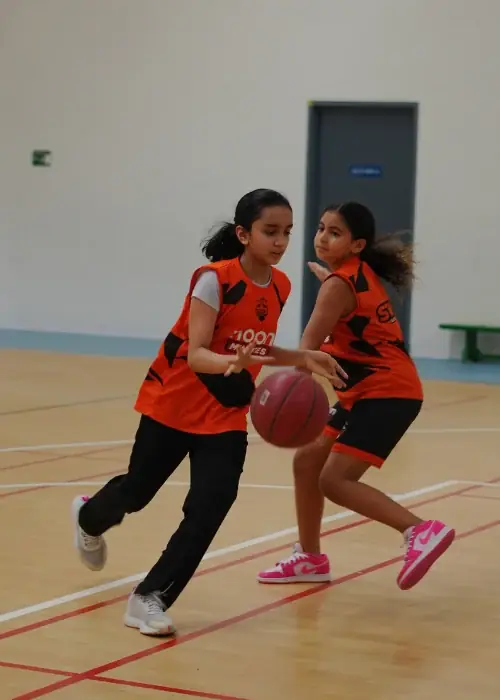
Basketball involves lots of side-to-side movement, especially in defence. Have your child get into a low, athletic stance — knees bent, back straight — and shuffle sideways without crossing their feet, then shuffle back the other way. This builds the lateral quickness and balance that defenders rely on, and it strengthens the legs too. Mark out a short distance to shuffle between.
Drill 3: Cone or marker weave
Set up a line of cones, shoes or bottles and have your child run through them, weaving in and out with quick changes of direction. This develops agility, balance and the ability to change direction at speed — all vital in games. Encourage them to stay low and use small, controlled steps. Time them and let them try to beat their best.
Drill 4: Jump stops and pivots
Stopping under control and pivoting are essential basketball skills. Have your child run a few steps, then come to a balanced two-footed “jump stop”, and practise pivoting on one foot to turn in different directions. This teaches control, balance and the proper way to stop and change direction legally in a game — important footwork that many beginners miss.
Drill 5: Ladder-style steps
If you have an agility ladder it’s perfect, but a series of lines on the floor (or chalk marks) works just as well. Your child steps quickly through the “rungs” with various patterns — two feet in each, in-and-out, side steps — focusing on fast, light, accurate footwork. Agility ladder work is fantastic for coordination and quick feet, and children find the patterns fun to master.
Drill 6: Reaction sprints
Quick reactions matter as much as quick feet. Have your child stand ready, and on your signal (a clap or a call) they sprint a short distance, or change direction. Varying the signal keeps them alert and develops the explosive reactions that help players pounce on loose balls and beat opponents. It’s simple, energetic and great fun.
Drill 7: Defensive slides
Combine stance and movement with defensive slides. In a low defensive stance, your child slides to follow an imaginary attacker — left, right, forward, back — staying balanced and keeping their feet quick. This builds the defensive footwork that coaches prize, and it reinforces the athletic stance that underpins good movement all over the court.
Making agility practice effective
A few simple principles get the best results. Warm up first with light movement to protect young muscles. Prioritise good form — a balanced, athletic stance and controlled movement — over raw speed, which comes naturally with practice. Keep bursts short with rest in between, as agility work is intense. And make it a game — time drills, beat records, add signals and challenges. Children work harder and improve faster when they’re enjoying themselves, so keep the mood light, energetic and full of encouragement.
Why footwork and agility matter so much
Footwork is the hidden engine of good basketball. Quick, balanced feet let a child get open, defend effectively, change direction, and stay in control under pressure — skills that make a real difference in every game. Agility also builds general athleticism, coordination and fitness that benefit every sport a child plays. By developing these foundations early, you’re giving your child the physical tools to express their basketball skills fully and to play with confidence and freedom. And because agility improves so visibly, it’s wonderfully motivating for children to practise.
A simple weekly agility routine
If you’d like a little structure, here’s an easy, low-pressure way to spread these drills across a week. As always, the secret is little and often — short, energetic bursts that fit naturally around your child’s day. On a couple of days, focus on foot speed: quick feet, ladder-style steps and lateral shuffles, all done in short bursts with rest in between. On another day or two, work on changing direction with the cone weave, jump stops and pivots, emphasising balance and control. Add a day of reactions and defence — reaction sprints and defensive slides — to develop the alert, explosive movement that wins games. And whenever there’s a spare few minutes, let your child simply play and move, racing, dodging and having fun on their feet. Across a week, that’s plenty to build real agility, and because each session is short and game-like, your child stays fresh and enthusiastic rather than burning out. If they’re tired or not in the mood one day, leave it — rest is part of athletic development, and a happy child practises far more willingly over the long run.
Agility helps in every sport
One lovely bonus of footwork and agility training is that it benefits every sport and physical activity your child enjoys, not just basketball. Quick feet, good balance, coordination and the ability to change direction at speed are universal athletic foundations that make children better movers across the board — whether they’re playing football, tennis, or simply running around the playground. This kind of broad physical development in childhood is hugely valuable, building confident, capable young athletes who move well and avoid injury. So even on days when basketball isn’t the focus, encouraging your child to be active in lots of ways — running, jumping, dodging and playing — feeds directly into their agility and their all-round development.
How you can support your child
You don’t need any special expertise to help your child with agility practice — your encouragement and a little involvement go a long way. Join in by calling the signals for reaction sprints, timing their cone weave, or simply cheering them on as they try to beat their record. Praise effort, balance and good form rather than just speed, and keep the whole thing playful and positive. Make sure your child warms up, stays hydrated — especially important in Dubai’s heat — and rests when tired. Most of all, let it be fun: children who associate movement with enjoyment stay active for life, and that lifelong love of moving well is the greatest gift agility practice can give.
Frequently asked questions
How often should my child do agility drills? A few short sessions a week is ideal. Agility work is intense, so quality and good form matter more than long sessions. Always include rest and keep it fun.
Do I need special equipment? No. Cones can be shoes or bottles, and an agility ladder can be lines or chalk marks on the ground. All you really need is a little flat space and some enthusiasm.
Should my child focus on speed or technique? Technique first. Good, balanced movement is the foundation, and speed follows naturally with practice. Rushing to be fast with poor form leads to mistakes and even injury, so prioritise control.
Will this help with other sports too? Absolutely. Footwork, balance and agility are universal athletic skills that benefit football, tennis and almost every active pursuit, making your child a better, more confident mover all round.
How Star Basketball Academy develops athletes
At Star Basketball Academy, our coaches build well-rounded young athletes, developing footwork, agility and all-round basketball skills in fun, structured sessions across our Dubai locations. We group children by age and ability, teach proper movement and technique, and create an encouraging environment that makes home practice pay off — helping each child grow into a quick, balanced, confident player.
Keep your child moving
Home agility practice plus expert coaching is the perfect combination for developing a sharp, quick and confident young basketball player who moves well all over the court.
Register at Star Basketball Academy, find your nearest location, or contact us to get your child started.