5 Basketball Skills Every Young Player Should Master First
When children first pick up a basketball, it is tempting to chase the highlight-reel moves — the crossovers, the dunks, the deep three-pointers. But the players who improve fastest, and who genuinely fall in love with the game, are almost always the ones who built a solid foundation first. Fundamentals are the grammar of basketball. Once a child can dribble, pass, shoot, move and defend without thinking about it, every advanced skill becomes far easier to learn. These are the five skills we believe every young player should master first, and how you can help your child build them.
1. Ball Handling and Dribbling
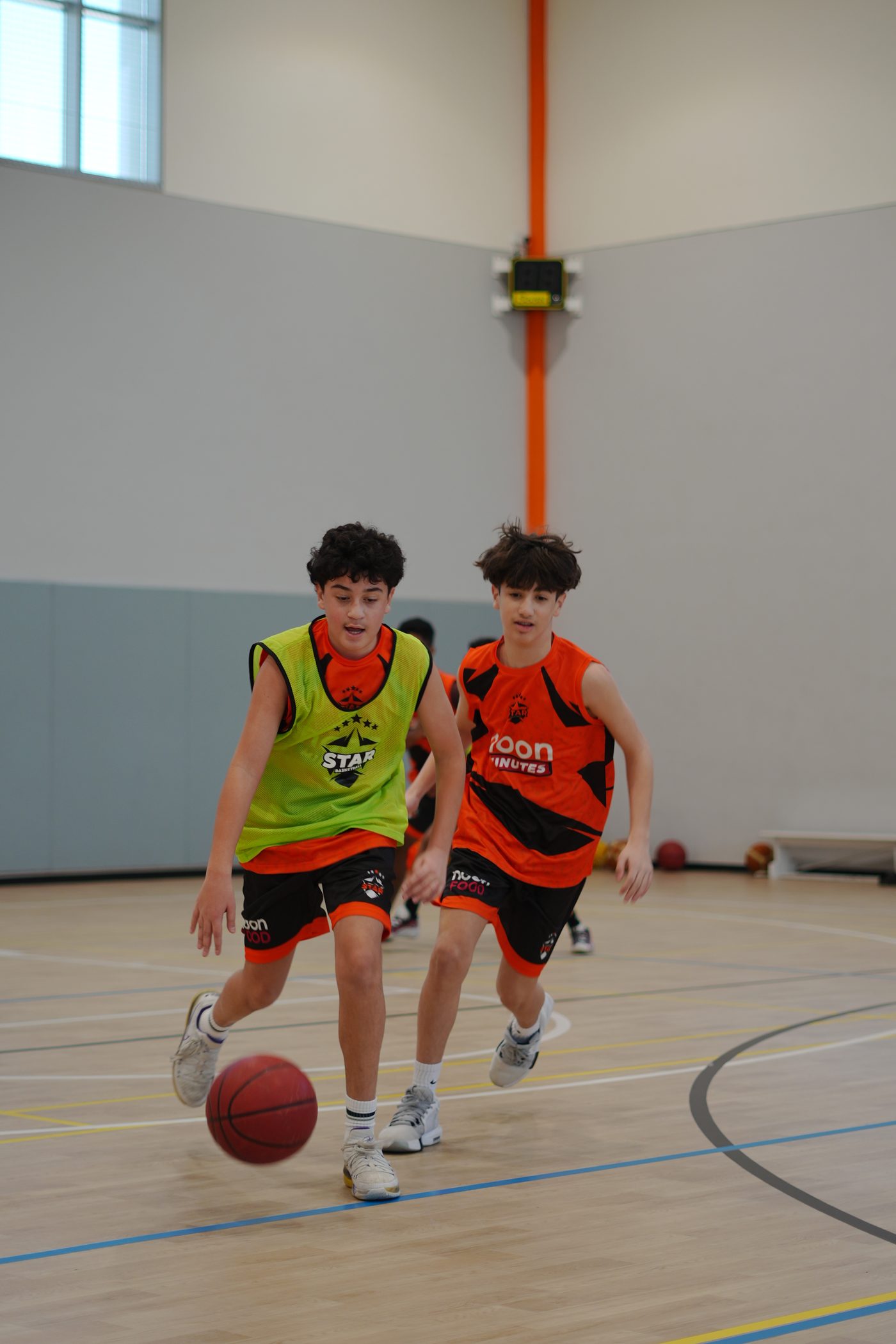
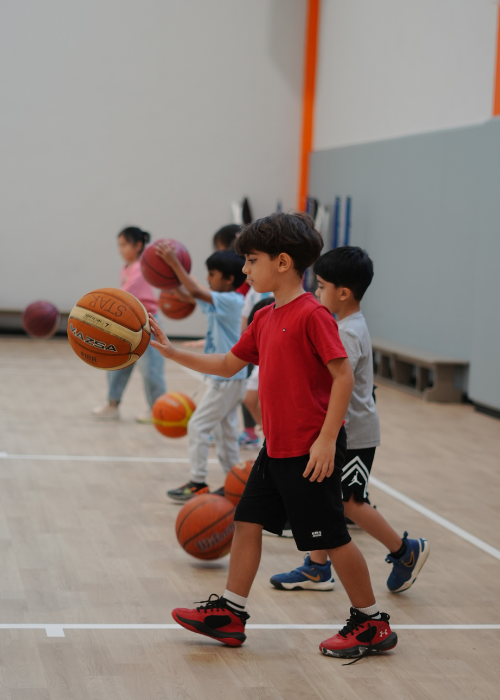
Everything in basketball starts with control of the ball. A young player who can dribble confidently with both hands, keep their head up, and protect the ball under light pressure already has a huge advantage. We begin with stationary dribbling to build a feel for the ball, then progress to dribbling on the move, changing pace and direction. The key habit we teach early is using the fingertips rather than the palm, and keeping the dribble low and controlled. Encourage your child to practise with their weaker hand at home, even for a few minutes a day — it is the single fastest way to become a complete, confident player.
2. Passing and Catching
Basketball is a team game, and passing is how a team turns five individuals into one unit. Many beginners focus only on scoring, but the players coaches value most are the ones who can deliver an accurate chest pass, a crisp bounce pass, and who always present a target to receive. We teach children to pass with two hands, to step into the pass, and just as importantly to catch with soft hands and ready feet. Good passing also develops court awareness, because a child has to keep their head up and read where teammates are moving — a skill that lifts their whole game.
3. Shooting with Proper Form
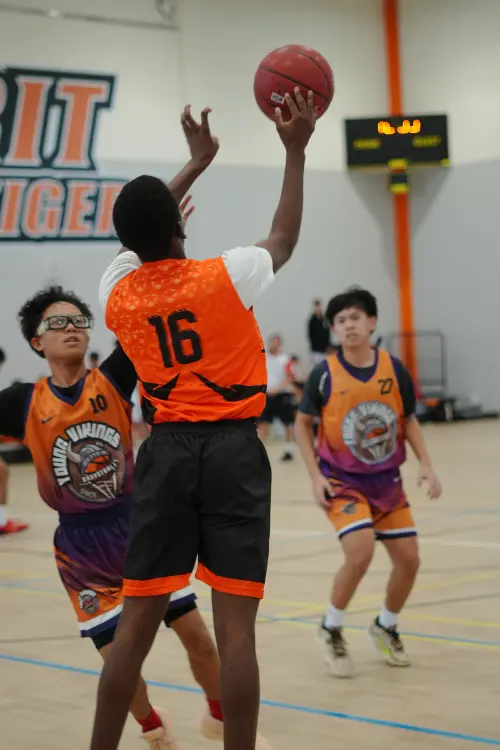
Shooting is the most satisfying skill for any young player, and getting the form right early prevents bad habits that are hard to undo later. We focus on the basics: balanced feet, the ball resting on the fingertips, the elbow under the ball, and a smooth follow-through. For younger children we lower expectations on distance and raise them on technique, because a child who learns to shoot properly close to the basket will naturally extend their range as they grow stronger. Celebrating good form rather than only made baskets keeps the focus exactly where it belongs.
4. Footwork and Movement
Footwork is the hidden skill that separates good players from great ones. Learning to stop under control, pivot without travelling, and move into space makes everything else possible. We use simple drills to teach the jump stop, the pivot, and how to get open without the ball. Strong footwork also protects against injury, because children who move with balance and control are far less likely to fall awkwardly. It is rarely the flashiest part of training, but it is one of the most rewarding areas to practise, because progress comes quickly with patient repetition.
5. Defensive Fundamentals
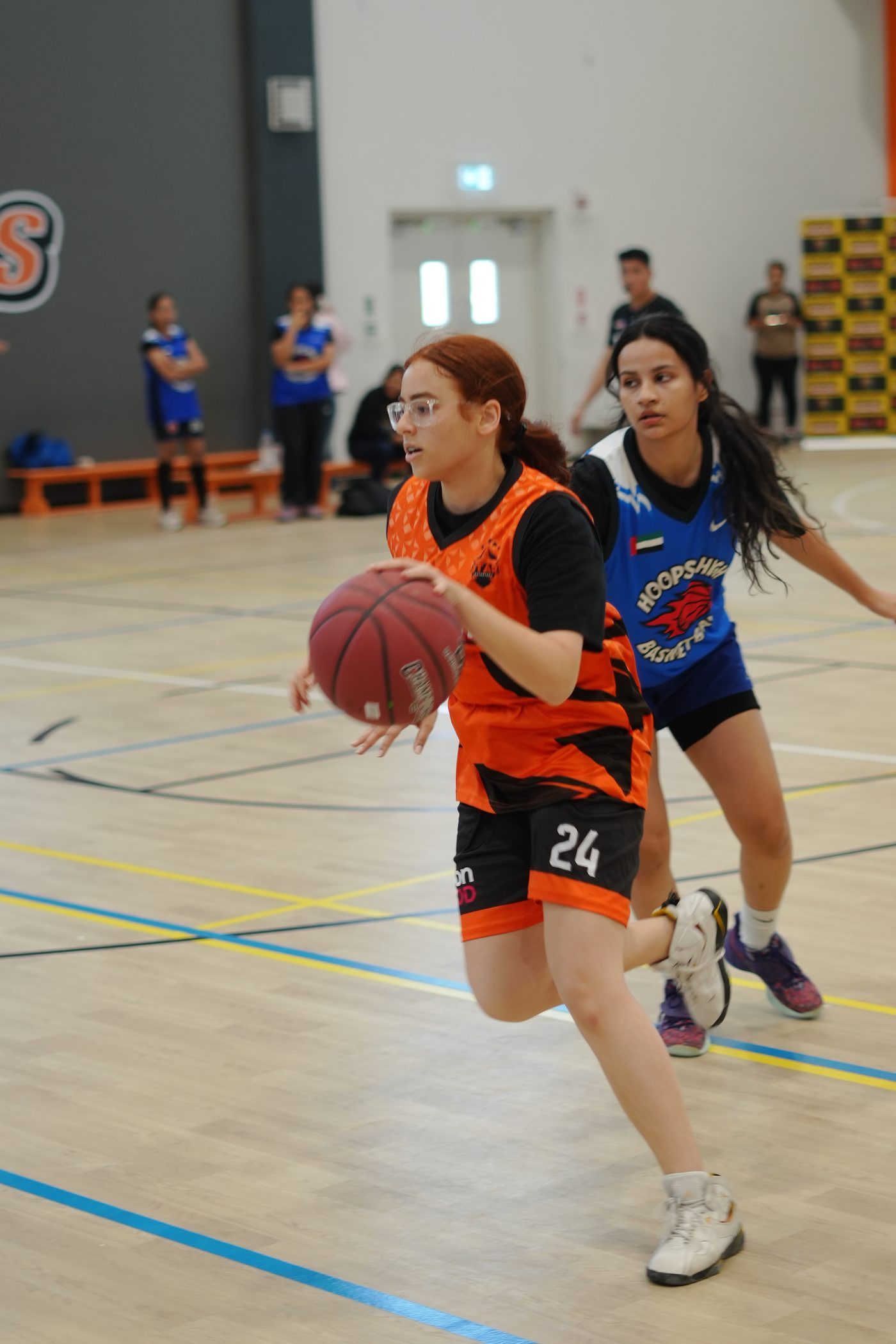
Defence is often the least glamorous skill but the one that earns the most respect from coaches. A young player who learns the defensive stance, how to slide their feet, and how to stay between their opponent and the basket becomes valuable to any team immediately. Crucially, good defence is built on effort and discipline rather than natural talent, which means every child can excel at it regardless of size or ability. We teach defence as a mindset as much as a skill, and it is often the area where a quieter or less confident player discovers they can truly shine.
Why These Fundamentals Beat Flashy Moves
It is natural for children to want to copy what they see the professionals do, and there is nothing wrong with a bit of flair. But spectacular moves built on shaky fundamentals tend to fall apart under pressure, while solid basics hold up in any situation. The same dribbling, passing, shooting, footwork and defence a child learns in their first season are the exact tools used by the best players in the world, simply performed faster and under tougher conditions. By investing in the fundamentals now, your child is building a base that supports every stage of their development for years to come.
Common Mistakes to Avoid Early On
A few habits tend to creep in while children are learning, and spotting them early makes a real difference. The most common is staring at the ball while dribbling, which stops a young player from seeing teammates and the basket; we counter it with simple head-up drills from day one. Another is shooting with the palm rather than the fingertips, which robs the shot of touch and consistency. On defence, beginners often reach in with their hands instead of moving their feet, leading to fouls and easy baskets for the opponent. None of these are signs of a lack of talent — they are normal stages of learning, and a good coach gently corrects them before they become ingrained.
How Parents Can Support Skill Development
You do not need to be a basketball expert to help your child improve. The most useful thing you can do is encourage short, regular practice rather than occasional long sessions, and praise effort and technique rather than only results. A hoop at home, a ball that is the right size for their age, and a few minutes of dribbling or shooting most days will compound into real progress over a season. Above all, keep it fun. Children who associate basketball with enjoyment and encouragement stick with it, and the skills follow naturally.
Putting It All Together at Star Basketball Academy
In our sessions, these five skills are never taught in isolation but woven together through small-sided games where children apply them in real situations. A child might work on dribbling, then immediately use it in a game where they have to pass to a teammate, defend, and take a shot with good form. This keeps training engaging while reinforcing the fundamentals from every angle. Over time, players stop thinking about the individual skills and simply play — which is exactly the goal. With venues across Dubai and Sharjah and groups organised by age and ability, every child can build these foundations at the right pace, supported by coaches who care about getting the basics right.
Frequently Asked Questions
What age should my child start learning these skills?
Children can begin developing basic ball handling and movement from a young age. We group players by age and ability so the coaching always matches the child.
My child only wants to shoot — is that a problem?
It is very common. Our coaches channel that enthusiasm while gently building the other skills, so children stay motivated and become well-rounded players.
How long does it take to master the basics?
Every child is different, but with regular practice most young players develop confident fundamentals over a season. Consistency matters more than intensity.
Want your child to build the right foundations from day one? Get in touch with Star Basketball Academy to find a programme near you across Dubai and Sharjah.
How These Skills Build Confidence Beyond the Court
One of the reasons we put so much care into these fundamentals is that mastering them does something powerful for a child off the court too. Each small breakthrough — the first time a child dribbles the length of the court without losing the ball, or sinks a shot with perfect form — sends a clear message: effort leads to improvement. That lesson transfers directly into school, friendships and everyday challenges. Children who learn that patient practice pays off in basketball carry a quieter, steadier confidence into the rest of their lives, and for many parents that is the most valuable thing the sport gives their child.
A Simple Weekly Practice Plan for Beginners
You do not need anything elaborate to help your child progress. A simple rhythm works wonders: a few minutes of two-handed dribbling on most days, a short session of close-range shooting focusing on form a couple of times a week, and some passing against a wall whenever there is a spare moment. Mix in a little footwork — practising stopping and pivoting — and you have covered every fundamental in a way that feels like play rather than training. Keep each session short and positive, end on a success, and let your child lead with the parts they enjoy most. Consistency, not intensity, is what turns these basics into lasting skill.
Start Strong, Improve for Life
The beauty of these five fundamentals is that they never stop being useful. Whether your child goes on to play competitively or simply enjoys basketball for the fitness, friendships and fun it brings, a strong foundation makes every future step easier and more enjoyable. If you would like your child to learn these skills from coaches who genuinely care about getting the basics right, our team is always happy to help you find the right group and answer any questions you have.